
Why Gunite Pool Plaster Etches in Southwest Florida
Pool plaster etching happens when the cement-based surface loses material and becomes rough or pitted. Water chemistry is a common cause, but startup practices, finishing conditions, and concentrated chemicals can also affect the surface.
For Southwest Florida homeowners, rain, warm water, and routine top-offs make consistent testing important. The first step is recognizing whether you're looking at etching or a different finish problem.
What Pool Plaster Etching Looks Like
Gunite forms the structural shell of a concrete pool. Plaster is an interior finish applied over that shell, and it's the surface your feet touch.
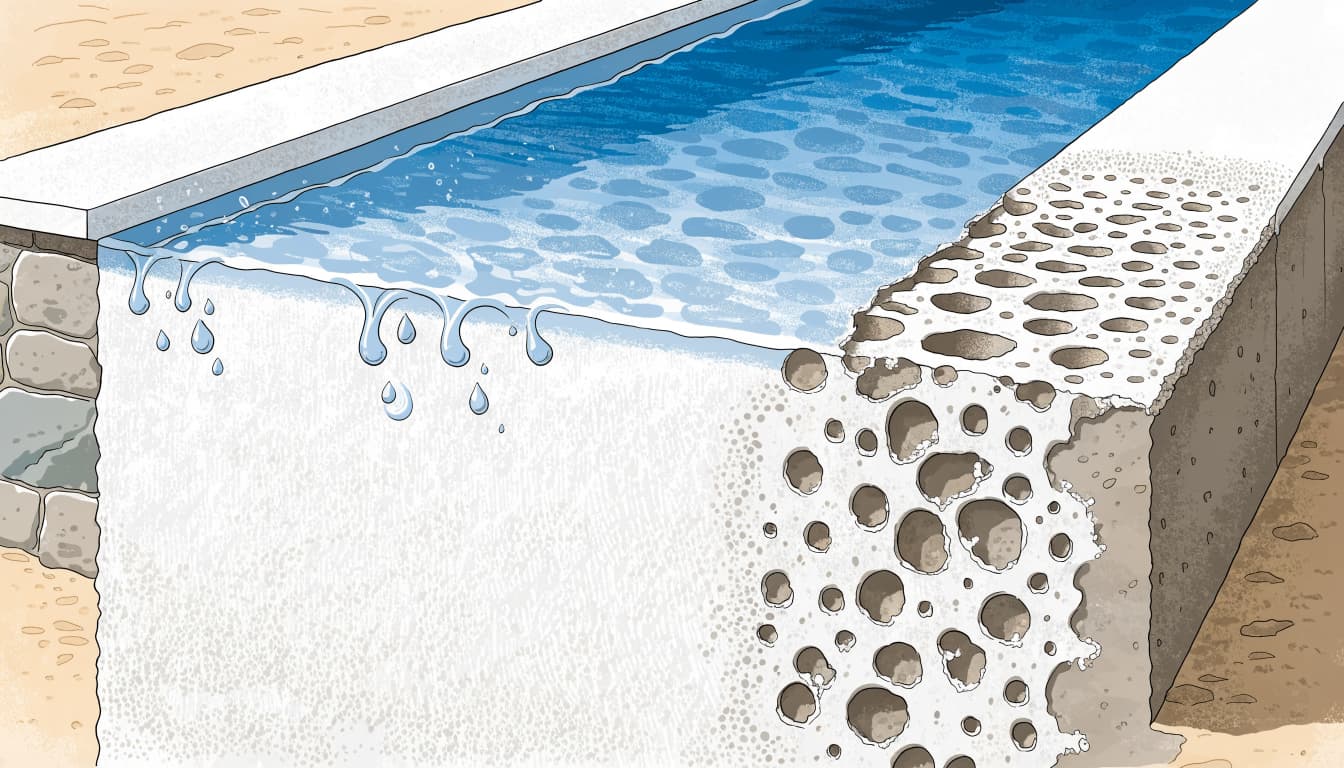
Etching removes some of the smooth cement paste at the surface. You might notice small pits, a sandpaper-like texture, or exposed aggregate that wasn't as noticeable before. The affected finish may look duller or uneven, and rough areas can become uncomfortable underfoot.
Etching Versus Scale
Etching involves material loss. Scale is a mineral deposit that builds up on top of the finish, often appearing as a pale, hard layer near the waterline or on other surfaces.
Both can feel rough, so texture alone doesn't settle the diagnosis. A surface can also have deposits in one area and deterioration in another. Our guide to causes of rough pool plaster covers other possibilities, including previous repairs and finish defects.
Etching Versus Staining
A stain changes the surface's color but doesn't necessarily change its texture. Metals, organic debris, and other materials can leave discoloration without causing etching.
If a patch is both stained and pitted, more than one condition may be present. Color alone can't identify the cause or tell you which treatment is appropriate.
How Water Chemistry Can Damage Plaster
Pool water interacts with a cement-based finish throughout the finish's life. When the water has a tendency to dissolve calcium-containing material, it can gradually wear away the plaster surface.
The relationship involves several measurements, so a single test result rarely tells the whole story. Regular testing helps you identify a pattern before roughness becomes widespread.
pH and Total Alkalinity
Low pH can make water more aggressive toward plaster and other pool components. Total alkalinity helps buffer pH changes, so low alkalinity can make pH harder to keep stable.
On the other hand, a pH reading within the recommended range doesn't prove the rest of the water is balanced. Alkalinity, calcium hardness, and temperature also affect how water behaves around the finish.
Calcium Hardness and Water Balance
Calcium hardness measures the calcium dissolved in the water. If hardness is too low for the overall water conditions, the water may be more likely to dissolve material from a cement-based surface.
Excessively scale-forming conditions create a different problem: calcium deposits can accumulate on the finish and equipment. The goal is balanced water, not the highest possible calcium reading.
A pool professional can consider these measurements together, including through a saturation index calculation. That calculation describes the water's tendency toward dissolution or scale; it doesn't prove what caused an existing rough spot.
Fill water matters, too. Our guide to testing well water before filling a pool explains why clear water can still contain dissolved minerals or metals.
Why Startup and Curing Matter
A new plaster finish needs careful water management while it cures. During startup, cement-based materials can affect pH and release plaster dust, so readings can change even when the fill water looked suitable.
This phase happens after the interior finish goes on, not immediately after the gunite shell is sprayed. Our pool startup timeline after gunite explains where the fill fits into construction.
Filling, Circulation, and Brushing
The builder's and finish manufacturer's instructions determine how to fill and care for a new surface. Many finishes require an uninterrupted fill, followed by circulation and brushing with an appropriate pool brush.
Brushing helps move startup dust away from the surface and toward the filtration system. The brush type and schedule depend on the finish, so follow the instructions for your plaster, quartz, or pebble product rather than assuming they're interchangeable.
Chemical Additions and Application Conditions
Startup chemicals need measured doses and appropriate circulation. Pouring concentrated chemicals directly against a finish or allowing products to collect on the floor can damage a small area, even if later water tests look acceptable.
The application and curing conditions matter as well. If a new surface becomes unusually rough or develops visible defects, document the location and contact your builder. The pattern, installation details, and water history all help establish what happened.
What Southwest Florida Weather Adds
Warm water is one factor in water balance. Southwest Florida pools also experience strong sun and heavy rain, which can affect finish care and pool maintenance.
After a summer storm, rainwater can dilute pool water and introduce leaves, soil, and other debris. Test the water after significant rainfall, remove debris promptly, and adjust chemicals based on the readings rather than on the water's appearance.
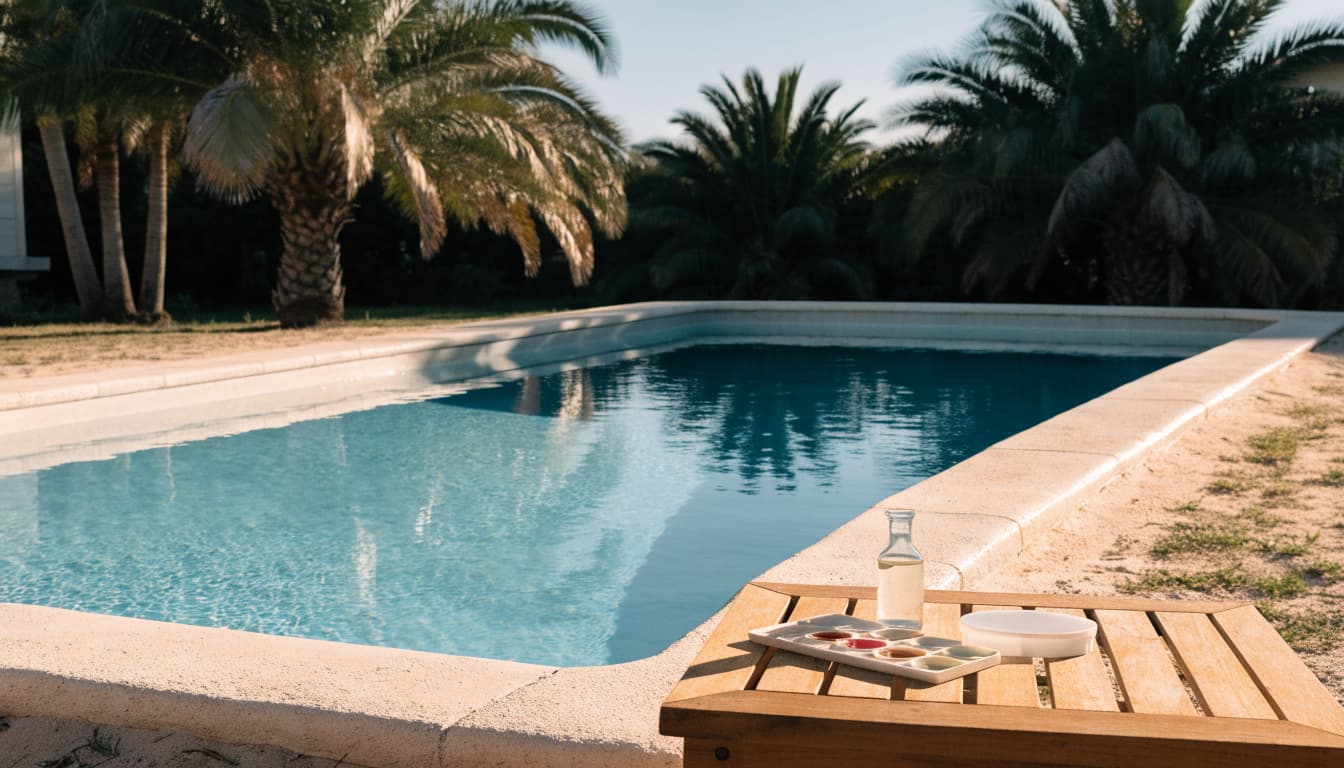
Keep an eye on the water level as evaporation occurs. When you add replacement water, test the pool again because the fill water contributes its own mineral content.
A screened enclosure can reduce some debris, but it doesn't eliminate the need to test water. Conditions vary by property and water source, so the readings in one Cape Coral pool won't necessarily match those in a neighboring pool.
How to Help Prevent Pool Plaster Etching
A dependable care routine protects a new finish and helps an older one last. The most useful habit is recording results over time instead of reacting only when the surface looks different.
Test the Water and Adjust Gradually
Test pH and sanitizer regularly, along with total alkalinity and calcium hardness. A suitable pool test kit gives you a way to track changes between professional service visits. Test again after heavy rain, a substantial top-off, or a noticeable chemistry change.
Follow the finish manufacturer's recommended ranges and your chemical product directions. Make measured adjustments, then allow the water to circulate and retest as directed. Large corrections made without current readings can create swings that make the water harder to manage.
Saltwater pools need the same attention. A salt chlorine generator produces sanitizer; it doesn't replace pH, alkalinity, or calcium testing.
Handle Chemicals and Cleaning With Care
Keep chemicals in their original containers and add them according to their labels. Never mix acid and chlorine products. Avoid letting concentrated chemicals sit against the plaster, and keep the pump and circulation system operating as directed during treatment.
Use a brush suited to the finish. Aggressive scraping, improvised sanding, and household abrasives can remove finish material along with a deposit. Likewise, a do-it-yourself acid wash can damage plaster and create chemical exposure risks.
What to Do When You Notice a Rough Patch
Start by recording where the roughness appears and whether the area has changed. Take clear photos and save recent water test results. Note any related symptoms, such as discoloration, loose material, cracking, or water loss.
Location can offer a clue, although it isn't proof. A small patch near a chemical addition point may have a different history than widespread roughness across the floor and walls. Scale around the waterline may also need a different response than pitting below it.
Arrange an inspection if the surface is sharp, flakes, or scrapes swimmers' skin. A professional can assess whether the area is a deposit, worn finish, an old repair, or a defect needing further investigation. That distinction matters before anyone removes material or applies a treatment.
Don't drain the pool yourself for a closer look. In Southwest Florida, groundwater pressure can damage an empty shell. Safe draining requires an assessment of the pool and site.
When Etched Plaster Needs Resurfacing
Balancing the water can help prevent further chemical damage, but it doesn't put lost plaster back. Once the surface is pitted, the repair depends on the extent of the damage and the condition of the surrounding finish.
Local Repair or a New Interior
A limited area may be suitable for professional treatment or patching after diagnosis. Color and texture can be difficult to match on an older finish, so a repaired spot may remain visible.
Widespread etching, persistent abrasion, flaking, or multiple deteriorated areas may make resurfacing a better option. During resurfacing, the existing interior is prepared, damaged areas are addressed, and a new finish is installed.
Correct the underlying water-care or application issue first. Otherwise, the same conditions can affect the replacement surface.
Problems Resurfacing Won't Fix
A fresh finish doesn't repair a moving shell, major structural cracks, or compromised plumbing. If rough plaster appears alongside unexplained water loss or a crack that keeps widening, those problems need investigation before the interior is renewed.
Our guide to what pool resurfacing can and cannot fix explains when a larger repair or rebuilding project may be appropriate.
Choosing a Finish for a New Pool or Renovation
Traditional plaster has a smooth, classic appearance. Quartz and pebble finishes contain aggregate and offer different textures and colors. Pebble generally has a more textured feel, while quartz can offer a smoother appearance.
Your choice affects how the pool looks and feels underfoot, but each cement-based finish still needs proper startup and balanced water. Our comparison of pebble and quartz pool finishes covers the differences for Southwest Florida homes.
Installation quality matters as much as the material. For a renovation, the existing surface needs suitable preparation before the new finish goes on. After filling, the care plan should identify who will test and adjust the water during startup.
Protect the Finish You Choose
Pool plaster etching can begin with water conditions that aren't obvious to swimmers. Regular testing and careful chemical handling give you a better chance of catching those conditions before the surface becomes rough.
If damage has already appeared, identify the cause before treating it . A targeted repair may be enough for a small area, while widespread wear may call for a new finish.