
Can Pool Equipment Stay During a Renovation?
Yes, existing pool equipment can often stay during a renovation if it's in good condition and works with the finished pool. A new surface or updated tile doesn't automatically require a new pump, filter, or heater.
The decision depends on condition and compatibility . Equipment that works well today may need attention if you're adding a spa, changing plumbing, or dealing with repeated repairs.
Start by looking at the renovation as a whole, then decide which components are worth keeping.
How the Renovation Scope Affects Equipment
A finish-focused project often leaves the equipment pad and most plumbing in place. If your pump, filter, heater, and sanitation system operate properly, your contractor may be able to protect them during construction and return them to service afterward.
A larger remodel calls for a closer review. Adding a spa, waterfall, or deck jets can change the flow and control requirements. Moving the equipment pad can also involve new pipe runs and electrical work, even if the existing equipment stays.
Resurfacing creates an opportunity to address problems near the pool before the new finish goes in. A damaged skimmer or leaking pipe won't be fixed by a fresh surface. Our comparison of pool resurfacing and rebuilding explains when a project may need to go beyond finish work.
At San Juan Custom Pools & Spas, we plan renovations around the pool's condition and the homeowner's goals. The first step is deciding what the finished pool needs to do, then assessing the equipment against that plan.
Assessing the Pump and Filter
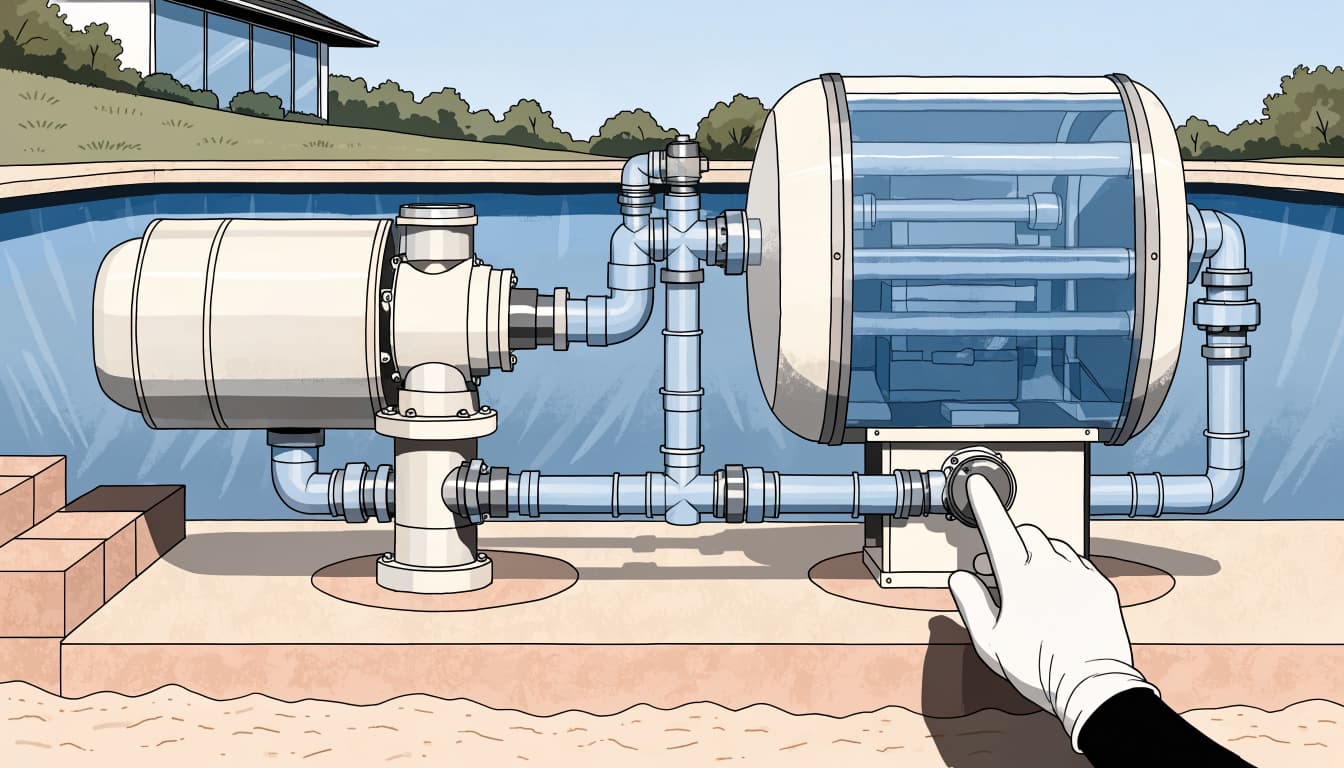
The pump and filter are the center of the circulation system. Both can often remain if they're sound, perform reliably, and match the renovated pool.
When to Keep or Replace a Pump
A pump that starts normally, maintains suitable circulation, and doesn't leak may be a good candidate to keep. Look at its service history as well as its operation. A single worn lid seal presents a different decision than repeated motor failures.
Grinding, persistent leaks, frequent shutdowns, or weak circulation deserve a closer look. Those symptoms don't always mean the pump itself has failed. A clogged basket, air leak, dirty filter, or valve issue can also affect performance.
Replacement may make sense if repairs keep recurring or a new feature needs different flow or controls. A variable-speed pump may offer an efficiency benefit, depending on how the system operates. However, a larger pump isn't automatically better: excessive flow can strain equipment or exceed the capacity of existing plumbing.
What to Look for in a Filter
A cartridge, sand, or diatomaceous earth filter can stay if the tank is sound and the filter meets the pool's needs. Cleaning or replacing the filter media may be enough when the tank and other components remain in good condition.
Watch for water leaking around the tank, damaged clamps or fittings, and pressure readings that change unexpectedly. Cloudy water can also point to a filtration problem, although water chemistry and circulation need consideration.
A leaking or damaged pressure vessel deserves professional attention. Don't open a pressurized filter or attempt a tank repair yourself. The contractor can assess whether a serviceable part needs replacement or whether the filter assembly should be replaced.
Heaters and Sanitation Systems
A heater or sanitation system doesn't need to be replaced because the pool gets a new look. Its condition, capacity, and compatibility with the planned equipment are what matter.
Keeping an Existing Heater
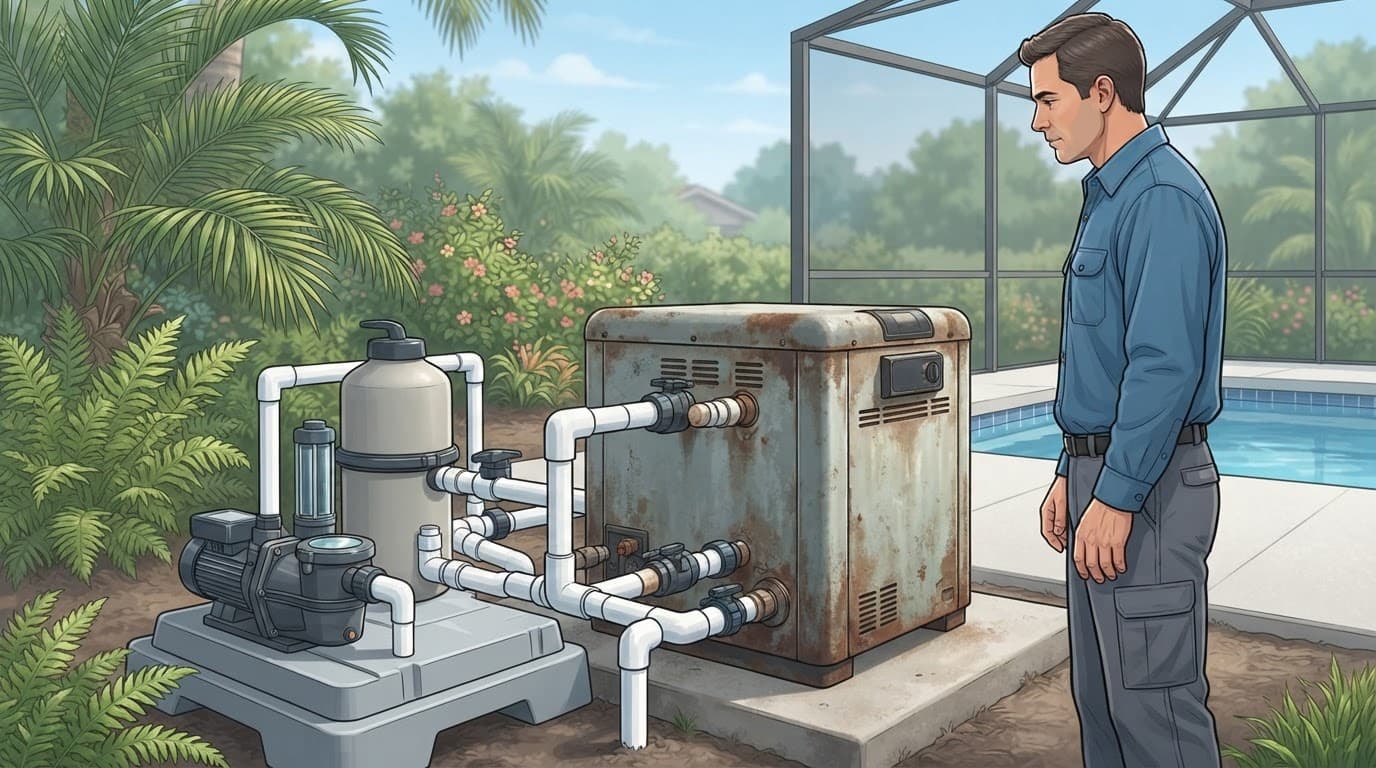
An existing gas heater or heat pump may continue to work well after a cosmetic renovation. However, trouble reaching the desired temperature, frequent shutdowns, leaks, or visible corrosion are reasons for an inspection.
The type of heater affects what needs attention. Heat pumps need clear airflow and clean air coils. Gas heaters have burners, heat exchangers, exhaust systems, and gas connections that require professional inspection.
A new spa can change the heating requirements. The existing heater may still be usable, but its capacity and controls need to suit how you plan to heat both bodies of water. If you're considering a change, compare the installation needs of a pool heat pump and gas heater, not only the equipment itself.
Reusing a Salt System or Chemical Feeder
A working salt chlorine generator or chemical feeder can often remain with the pool. Repeated error messages, declining chlorine production, damaged fittings, or frequent service calls may point to a component that needs attention.
For a salt system, the cell and controls don't necessarily need replacement at the same time. The contractor can assess the components along with water flow and chemistry before recommending a repair or upgrade.
If you're converting to saltwater during the remodel, the existing pump and filter may work with the new equipment. The installation still needs suitable plumbing space, flow, controls, and access for cell maintenance. A salt system won't correct a leak or poor circulation.
Review Plumbing and Electrical Components
Some of the most consequential renovation decisions concern equipment you can't see. Pipes run beneath the deck, while electrical connections and protective systems may be concealed around the pool.
Existing Pipes, Valves, and Fittings
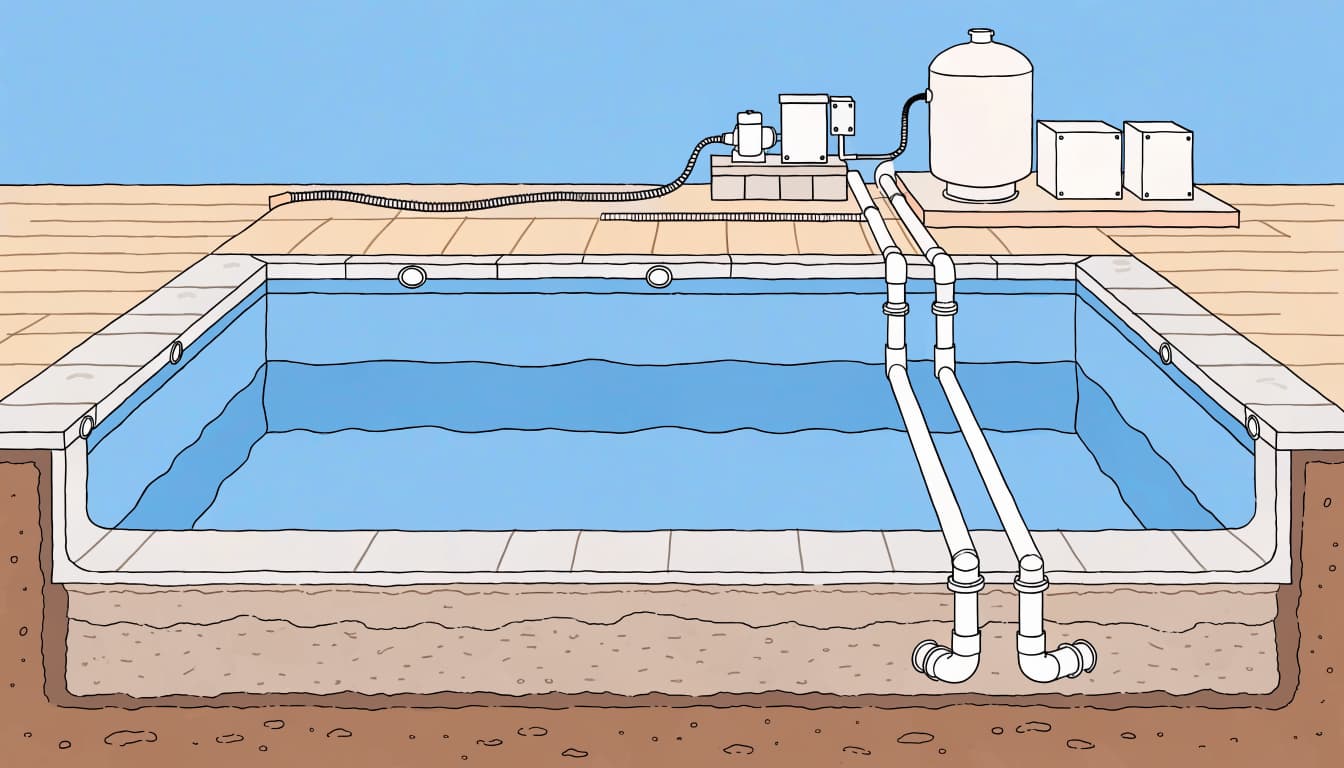
Sound plumbing can often remain, particularly when the layout and equipment aren't changing. Visible leaks at valves, unions, or pump connections may call for a local repair rather than replacement of every line.
Underground plumbing needs attention when the pool loses water repeatedly, suction lines draw air, or a planned feature requires a new route. Pressure testing can help identify problems in lines included in the assessment. A new finish won't repair a leaking pipe or damaged skimmer.
If the project already includes deck demolition, access to buried lines may be easier before the new deck goes in. The goal is to address known problems while the work area is open, rather than disturb finished surfaces later. Our gunite pool plumbing guide covers how the pipes and circulation equipment work together.
Power, Controls, Grounding, and Bonding
Existing electrical components may remain when they're in good condition and suitable for the completed system. New equipment can change the electrical plan, though. A heater, pump, spa, or lighting upgrade may need different circuits, controls, or protective devices.
A licensed electrical professional should assess the relevant wiring, disconnects, grounding, and bonding before new equipment is connected. Older or concealed work may reveal conditions that weren't visible when the project was planned.
Don't open electrical equipment, alter a breaker, or attach bonding wires yourself. Pool electrical work requires professional installation and testing because water and electricity create a serious safety risk.
Match Existing Equipment to New Features
An equipment pad that handles the current pool may need changes when the pool does more. A waterfall can require additional plumbing or valves. A spa may need controls that direct water between the pool and spa, along with an appropriate heating plan.
Automation deserves attention too. A controller may operate existing equipment but lack the connections or communication features needed for an added device. Sometimes an additional component solves the problem; in other cases, the control system itself may need an upgrade.
Space matters as much as compatibility. Technicians need room to reach the filter, remove a salt cell, and service the pump or heater. Good pool equipment pad placement also accounts for plumbing routes, drainage, and access.
If keeping an older component leaves the pad too crowded to service, the layout should be part of the renovation discussion. Equipment that fits on a drawing still needs space around it in the finished backyard.
Compare Repair and Replacement Costs
The least expensive option at the start isn't always the least expensive over time. Compare the proposed repair with the component's service history and the work needed to connect it to the renovated pool.
For example, replacing a pump seal may be reasonable when the rest of the pump operates reliably. A pump with repeated motor trouble and multiple prior repairs presents a different calculation. The same applies to a heater that has needed several service visits but still shuts down.
Ask for the written estimate to separate:
- Repairs needed to return existing equipment to reliable operation.
- New components required for the planned features.
- Optional upgrades, including any related plumbing or electrical work.
That breakdown helps you compare a targeted repair with a full replacement. It also shows whether an equipment price includes the connections and labor needed to put it into service.
Keep available invoices and part records for the assessment. They give your contractor a clearer picture of recurring problems than the equipment's appearance alone.
Questions to Ask Your Pool Contractor
Before approving the renovation scope, talk through each major component. The answers should make clear what will stay, what will change, and who is responsible for the work.
- Which existing components can remain, and what condition supports keeping them?
- Are any repairs needed before the pool is refilled and started?
- Will the pump, filter, and plumbing support the planned spa or water features?
- Are there signs of a leak or a reason to pressure-test specific lines?
- What electrical or control changes are included for the new equipment?
- Which work is included in the estimate, and which upgrades are optional?
- What happens if concealed damage appears after demolition?
- Who will test the system and explain its operation at startup?
A written scope gives you a useful reference if the project changes. It should identify the equipment being retained as well as the equipment being installed.
Plan for Shutdown and Startup
Equipment that stays still needs protection during renovation. Dust, debris, exposed pipe openings, and construction activity can affect the equipment pad. The plan should identify what will be disconnected, protected, or temporarily removed.
Pool draining also deserves professional handling. In Southwest Florida, groundwater conditions can affect an empty pool, so draining is not a step to improvise as part of a homeowner equipment inspection.
After construction, startup is the opportunity to test the system as a whole. The contractor should look for leaks, unusual pressure, air entering the system, and problems with valves or controls. Heating and sanitation equipment should operate with the circulation system as intended.
A new finish may also have startup and water-care instructions. Understanding those requirements helps protect the renovated surface while the retained equipment returns to service.
Keep What Works for the Finished Pool
A pool renovation doesn't require an automatic equipment replacement. A reliable pump, sound filter, working heater, or suitable plumbing can often remain when it fits the finished design.
The strongest decision comes from assessing each component and the complete system . Address known problems before new surfaces cover the work, and compare repairs with the cost and purpose of an upgrade.
If you're planning changes in Southwest Florida, our pool renovation and remodeling services can help bring the equipment and construction plans together.