
Your pool start-up Cape Coral timeline after gunite
Gunite gives your new pool its concrete shell, but the shell isn't ready for swimmers or routine water care. If you're searching for a pool start-up Cape Coral homeowners can rely on, timing matters as much as chemistry. The builder still needs to finish the interior surface, fill it correctly, start circulation, and check the equipment.
Cape Coral heat, rain, inspections, job-site access, and several trades can affect the schedule. No contractor can promise an identical timeline for every backyard. The steps below explain what usually happens, what you should handle, and what deserves a call before you add chemicals or enter the water.
Gunite is the shell, not the final pool start-up
After gunite or shotcrete is sprayed, the pool has its structural concrete shell. It still needs follow-up work before the startup phase begins. Plumbing pressure tests, inspections, backfill, tile, coping, deck work, equipment installation, electrical connections, and the interior finish usually happen in separate stages.
The final surface may be plaster, quartz, pebble, or another approved finish. That choice changes the startup instructions. A newly finished pool often needs an uninterrupted fill and careful brushing because cement-based materials can affect pH and release dust as they cure.
San Juan Custom Pools & Spas outlines these stages in its pool construction process, with the interior finish and water fill near the end of construction. That distinction helps prevent a common mistake, treating the gunite date as the pool's completion date.
The stretch from gunite to the interior finish can take several weeks, depending on trade scheduling, inspections, weather, material availability, and the scope of the project. After the finish is applied, filling may begin the same day or at the next scheduled visit. The fill itself can take many hours or run overnight, based on pool size and water flow.

Photo by K
What your builder handles before handoff
The contract controls the exact division of responsibilities. Still, most homeowners can expect the pool builder or startup technician to manage the construction-related work below.
| Stage | Builder usually handles | Homeowner usually handles |
|---|---|---|
| Interior finish | Schedules the finish, prepares the shell, and protects the new surface | Keeps people, pets, tools, and debris away from the pool |
| Equipment startup | Primes the pump, sets valves, checks flow, and inspects connections | Provides access and learns the normal pressure and operating sounds |
| Initial chemistry | Tests the fill water and adds startup products, or arranges startup service | Follows written instructions and avoids independent chemical adjustments |
| Handoff | Explains controls, equipment, cleaning, and warranty contacts | Saves manuals, records readings, and asks who handles first-week care |
Some builders include several days of startup service. Others provide the initial balance, then transfer water care to the homeowner or a pool service company. Ask who is responsible for brushing, testing, filter cleaning, chemical adjustments, and correcting installation-related problems during the first week.
Before the crew leaves, request the finish name, equipment manuals, target chemistry, normal filter pressure, and the best contact for urgent problems. These details are more useful than trying to remember a rushed conversation beside a noisy equipment pad.
What the pool start-up Cape Coral fill should look like
Once the interior finish is ready, the builder will tell you when to begin filling. Follow that instruction instead of filling the shell after gunite on your own. The hose should enter through a clean setup that won't scrape or erode the finish, and the hose end should remain still and away from walls, steps, and benches.
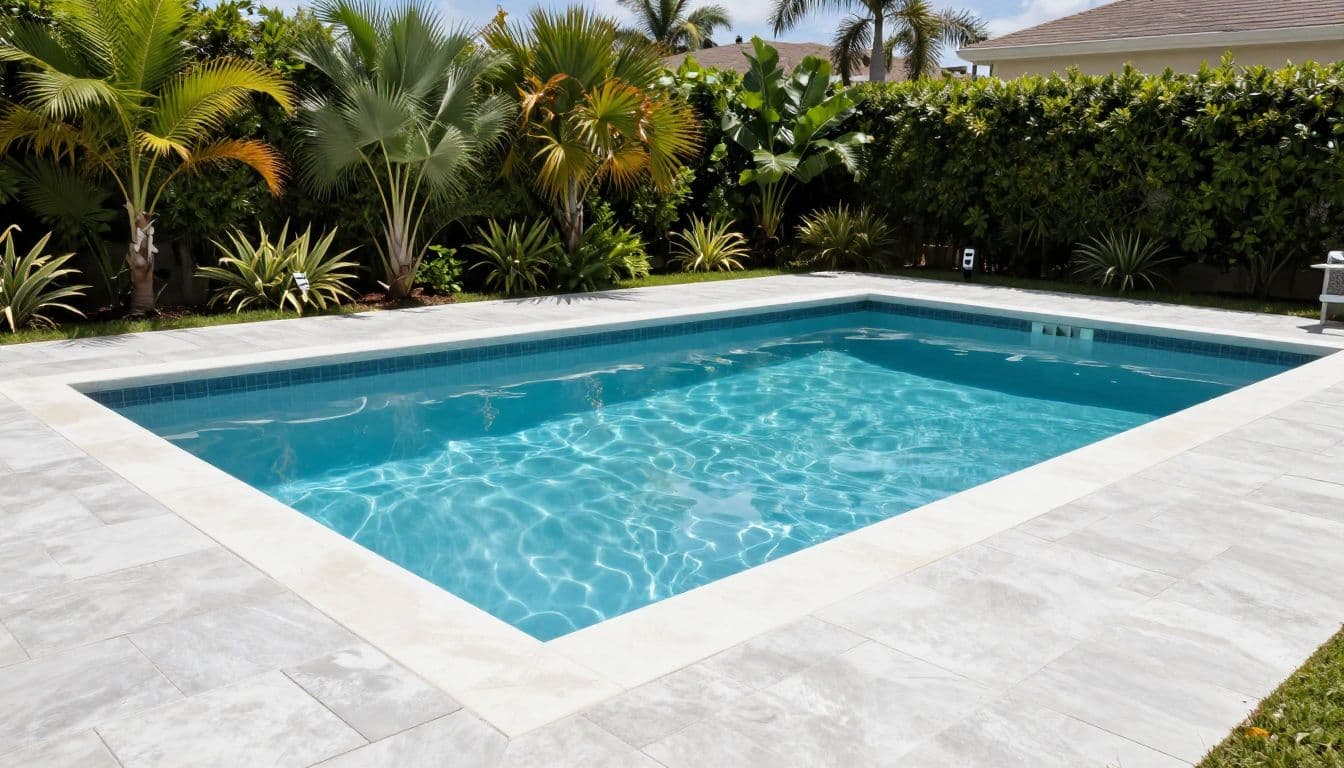
An uninterrupted fill matters because stopping can create a visible waterline or uneven curing on some finishes. If the hose slips, the water rises slowly, the power fails, or a storm threatens the site, call the builder before changing the plan.
- Keep children, pets, tools, and construction debris out of the pool while it fills.
- Fill only to the level the builder marked or explained. The correct level supports proper skimmer and pump operation.
- Don't add acid, chlorine, salt, or metal treatment unless the builder provides written instructions.
- If the fill must stop, contact the builder before turning off the water or changing the hose position.
If your home uses well water, or the builder has identified metals in the fill water, ask about treatment before filling. Water quality can affect staining and startup chemistry, so guessing at a solution can create a larger problem.
Never enter an empty pool to adjust a hose or retrieve an object. The surface can be slippery, the shell may still be an active work area, and unfinished construction creates fall and injury risks.
Starting the pump, filter, and circulation system
After the water reaches the appropriate level, the builder or startup technician can begin circulation. That level is often high enough to cover the skimmer opening and support safe pump priming, but the equipment design determines the exact requirement. A pump should never run dry , even for a short test.
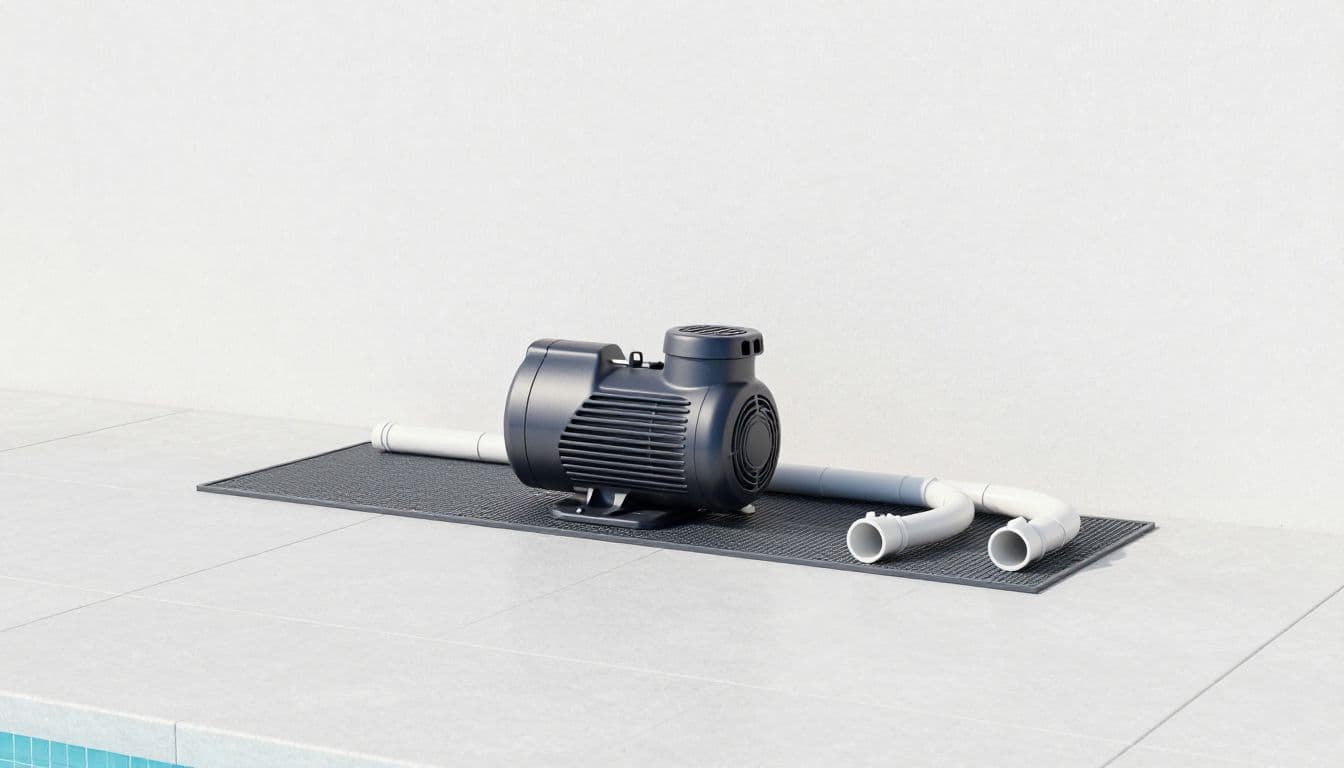
The initial equipment check should confirm that the pump basket fills with water, returns are moving water, valves are in the intended operating position, and the filter pressure is recorded. The technician should also look for leaks around the pump, filter, heater, chlorination equipment, and plumbing connections.
Automation schedules, lights, heaters, cleaners, and water features should be started one at a time. That approach makes it easier to spot a bad setting or a flow problem. During early startup, many builders run filtration for extended periods, but your written instructions should control the schedule.
Your responsibility begins with observation and safe operation. Learn how the normal return flow looks, where the filter pressure sits, and which breaker controls the equipment. Don't open a filter, remove a pump lid, or move valves while the system is running unless you've been trained to do so.
Salt chlorine generators and heaters often remain off during the early finish-cure period. Salt addition and heating rules vary by finish and manufacturer. For a pool start-up Cape Coral project, follow the builder's schedule rather than turning on equipment because the water appears clear.
First-week water care and pool safety
The first week is when cement dust and rising pH can make the water look worse before it clears. That change is common with new cement-based finishes, but it still requires measured testing and proper circulation.
A pool can look clean while its startup chemistry remains outside the safe range for swimming.
Your builder's finish instructions take priority, but this schedule gives homeowners a practical reference:
| Period | What commonly happens | Homeowner action |
|---|---|---|
| Fill day | The pool fills, then the system begins circulating | Watch the water level and keep the site free of debris |
| Days 1 to 3 | pH may rise, and fine surface dust may appear | Test as directed, brush with the approved brush, and keep filtration running |
| Days 4 to 7 | The water begins moving toward normal maintenance | Continue testing and brushing, and report unusual changes |
| After the first week | The builder may shift you to a regular care schedule | Confirm sanitizer, cleaning, filter, and equipment settings |
New cement surfaces commonly push pH upward. Test pH and free chlorine at least daily, or as often as the builder directs. Many startup programs keep pH near 7.2 to 7.6, but the finish and selected startup method control the target. Use measured doses, add one product at a time, and never mix acid with chlorine.
Brush the walls, floor, steps, benches, and sun shelf with the brush recommended for the finish. Some builders request brushing two or three times each day during the first several days. Follow the specific finish instructions, especially if the surface is pebble, quartz, or another specialty material.
Avoid automatic cleaners, wheeled vacuums, metal tools, heaters, and salt additions until the builder approves them. These items can interfere with the finish startup or hide a circulation issue.
Don't swim until the builder confirms that the water is clear, the chemistry is within the specified range, and the equipment is operating correctly. Keep the required barrier and access controls in place, supervise children, and keep pets away from the water and equipment pad. Store chemicals in a secure, dry location, and keep them in their original containers.
Call your builder before a small issue becomes a finish problem
New pool concerns are easier to address when you report them promptly. Contact the builder if the pump won't prime, returns stop moving water, equipment leaks, the filter pressure changes sharply, or air continues entering the system.
Also call if the fill stops, the waterline appears uneven, the water develops an unusual color, stains form, tile loosens, fittings move, or visible cracking appears. A small amount of startup dust can be normal, but persistent cloudiness or heavy deposits deserve professional direction.
Take photos and record the time, water level, filter pressure, and test readings. Don't drain a new pool or perform an acid wash without approval. Groundwater conditions in Southwest Florida can make draining a new pool risky, and the builder needs to assess the finish, structure, and site first.
A careful start-up protects your new pool
Gunite marks the shell's completion, not the end of the project. A proper pool start-up Cape Coral process follows the interior finish with a controlled fill, safe circulation, measured chemistry, and finish-specific brushing.
The builder typically owns construction, equipment startup, and the initial handoff. You protect the result by keeping the site safe, following written instructions, tracking the first-week readings, and reporting unusual conditions quickly. When that first week receives the same care as the construction itself, your new pool has a sound foundation for regular use.