
How Long Can a Gunite Pool Stay Empty During Renovation?
A gunite pool should stay empty only for the time needed to complete the renovation work and prepare the finish for water. There's no universal safe deadline: in a high-groundwater area, an empty shell can be at risk as soon as it's drained.
For homeowners in Southwest Florida, site conditions matter as much as the work schedule . Understanding the risks before draining helps keep the project moving toward a safe refill.
How Long Does a Gunite Pool Need to Stay Empty?
During a straightforward resurfacing project, the pool generally remains empty while the crew removes or prepares the old finish, makes necessary repairs, and applies the new surface. Once the finish is ready for water, filling begins according to the product's requirements.
A renovation involving structural repairs, plumbing replacement, or other major changes may require a longer empty period. Weather and material requirements can also affect the schedule.
The important distinction is between the time a job needs and the time a particular pool can safely remain empty. A contractor should plan both before draining, rather than rely on a standard number of days. At San Juan Custom Pools & Spas, we consider the renovation scope alongside the conditions around the pool.
What Affects How Long a Gunite Pool Can Stay Empty?
Groundwater, soil, weather, and the shell's condition all affect the risk. These factors can change during a project, particularly after heavy rain.
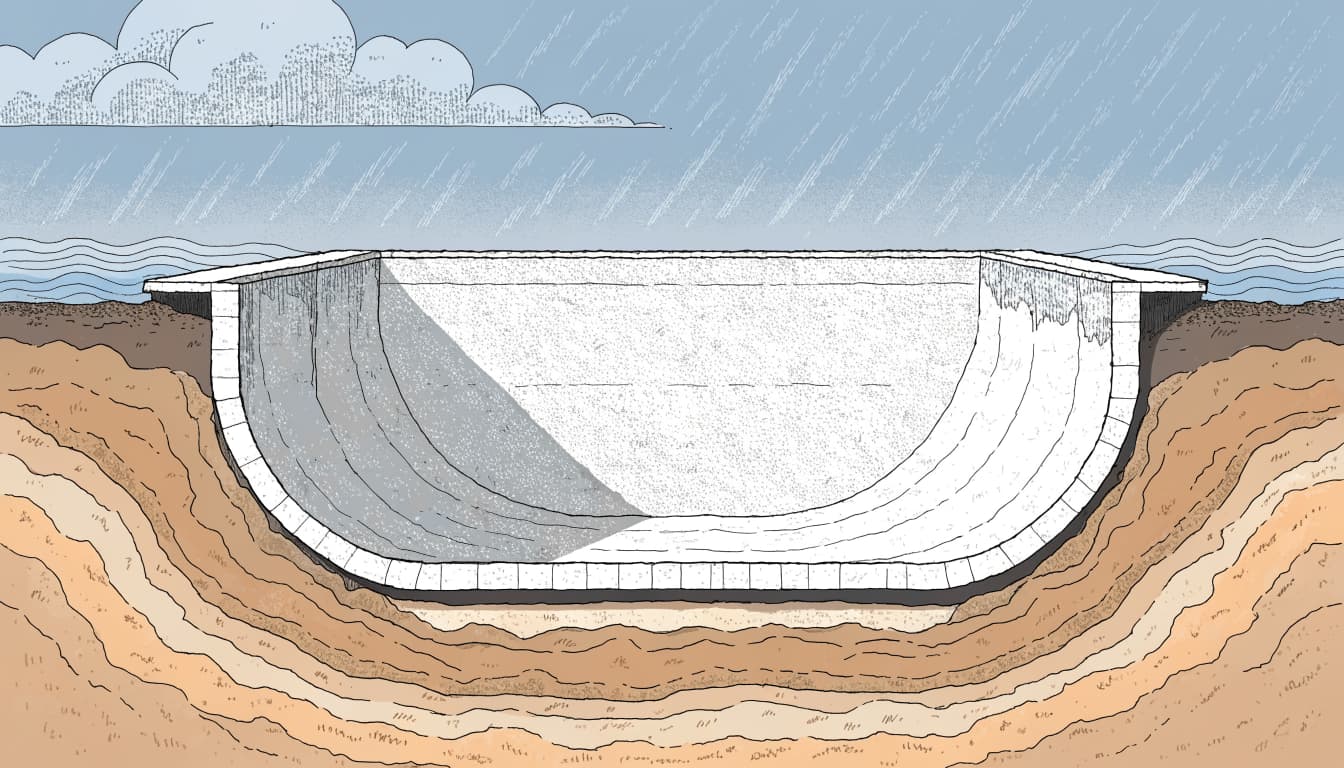
Groundwater and Soil Around the Shell
Water inside a full pool helps counter pressure from groundwater outside it. When the pool is drained, that balance changes. If groundwater is high enough, pressure beneath and around the shell can cause damage or even lift the pool.
Cape Coral, Fort Myers, and other Southwest Florida communities can have shallow groundwater. Canal frontage, drainage patterns, and recent rainfall can also affect conditions at an individual property.
Soil matters because it supports the shell and surrounding deck. Sandy soil can drain well, but fill, poor compaction, or saturated ground can create movement. In uncertain conditions, an engineer may recommend a soil investigation or a site-specific water management plan.
Weather and Existing Shell Damage
Heavy rain can raise groundwater and interrupt work on an exposed pool. Intense sun and heat can also affect surface preparation and the application or curing of renovation materials.
The shell's condition deserves attention before a new finish goes on. A surface crack may be limited to old plaster, while a widening crack or a crack associated with water loss may need further investigation. Our guide to pool crack repair and resurfacing explains how those problems differ.
Waterproof coatings have limits, too. Gunite pool shell waterproofing options can address certain moisture concerns, but a coating alone won't fix structural damage or eliminate groundwater pressure.
When Do Renovation Stages Allow a Refill?
The refill point depends on the work being done and the finish selected. Adding water too early can interfere with repairs or damage a new surface.
Repairs and Surface Preparation Come First
After draining, the crew can expose areas that were hidden beneath the old finish. They may remove damaged material, inspect the shell, and prepare the surface for a replacement finish.
If the inspection reveals structural cracks or compromised plumbing, those problems need attention before resurfacing. A new interior surface won't correct a moving shell or repair a failing underground line. Our comparison of pool resurfacing versus rebuilding covers the difference.
Repairs and coatings may also have their own cure requirements. Those requirements can affect when the next layer goes on and when the pool is ready for water.
The New Finish Determines Fill Timing
Plaster, quartz, pebble, and other finishes don't all follow the same installation instructions. Once the crew applies the selected material, the finish manufacturer's process determines when filling should begin.
A newly finished pool often needs an uninterrupted fill . Stopping partway can leave a visible line on some finishes. Water supply and access should therefore be ready before the finish is applied.
Our pool startup timeline after gunite also explains why the structural shell and the interior finish are separate stages.
How to Plan for an Empty Pool Safely
Before draining, arrange the work so repairs, materials, and crews are ready when needed. A gap between draining and the next stage can leave the shell exposed longer than necessary.
For a property with groundwater concerns, a qualified contractor may plan temporary drainage or other water controls. The right approach depends on the site and the shell. Homeowners shouldn't remove hydrostatic relief plugs or attempt other pressure-control work themselves.
Keep the empty pool secured throughout construction. The deep end, exposed fittings, and equipment create hazards, especially for children and pets. Pool barriers still matter while the water is gone.
If heavy rain arrives or water begins entering around or through the shell, contact the contractor promptly. Don't assume that rain collecting inside the pool provides enough protection against outside pressure.
What Happens After the Pool Is Refilled?
Filling is the start of the finish's startup period. New cement-based finishes can release plaster dust and affect water chemistry as they cure, so brushing and water treatment need to follow the finish instructions.
Wait for the contractor's startup guidance before adding chemicals, running equipment, or swimming. That care helps protect the new surface after the renovation work is complete.
Plan the Refill Before Draining
The safest empty period is the one planned around your pool's actual conditions and renovation needs. Groundwater can change the risk, while the repair and finish materials determine when the pool can accept water.
For a Southwest Florida renovation, a site-specific draining and refill plan is more useful than a generic deadline.