
What Is a Pool Bond Coat in Gunite Resurfacing?
A pool bond coat is an intermediate layer used in some gunite pool resurfacing projects to help connect the prepared pool surface to a new finish. It sits beneath the surface you see and feel when you swim.
The condition of the existing surface matters as much as the finish you choose. Understanding where each layer fits can help you follow the renovation process and make sense of an estimate.
What Does a Pool Bond Coat Do?
A bond coat is part of the surface preparation system between an existing pool interior and a new finish. Depending on the renovation, the surface beneath it may be prepared gunite or sound portions of an older finish.
Its purpose is adhesion: it provides an intermediate surface for the new finish. However, not every resurfacing project calls for the same bonding system. The existing material, its condition, and the selected finish all affect how the job is planned.
The bond coat is also different from the pool's bond beam. The bond beam is a reinforced section at the top of the shell, while a bond coat is associated with the interior surface.
Where the Bond Coat Fits in the Pool
A gunite pool has several distinct parts, even though the finished interior appears to be one continuous surface.
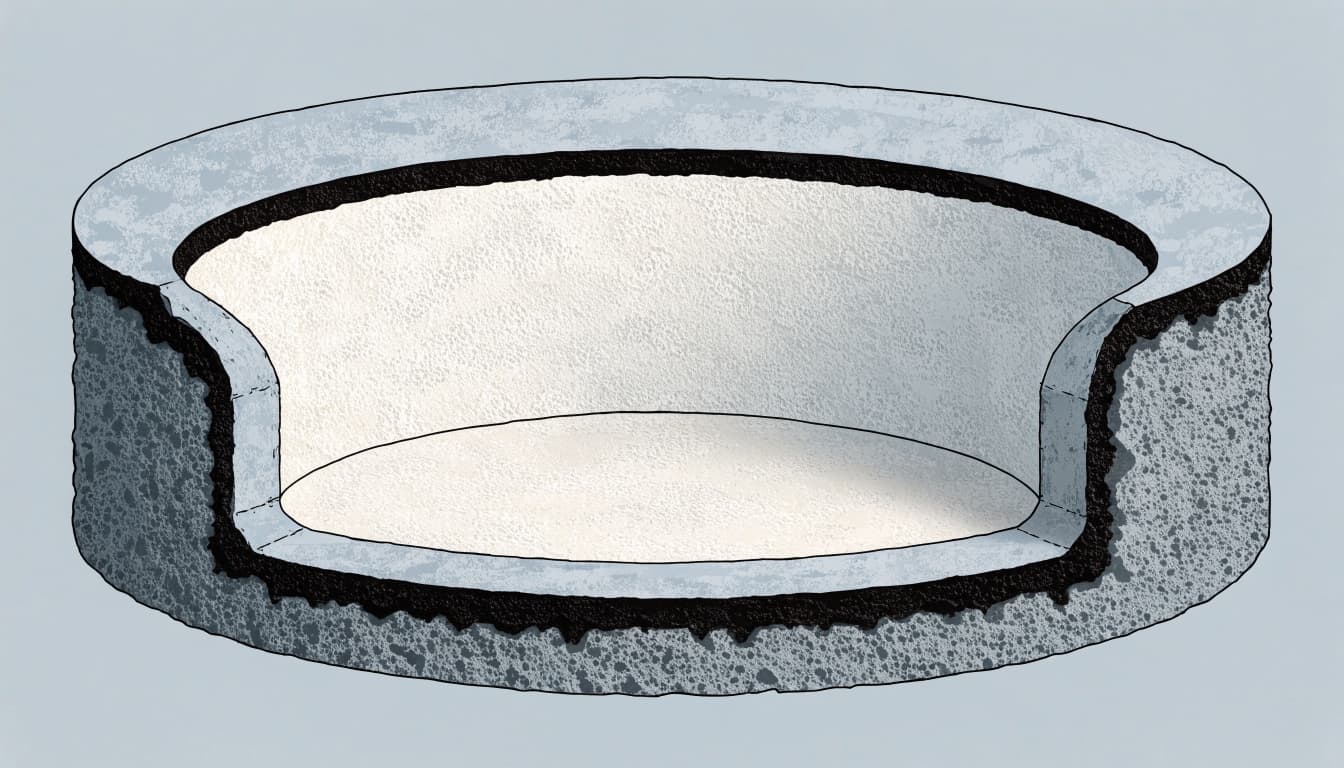
The gunite shell provides the structure
Gunite forms the concrete shell that gives the pool its shape and supports the walls, floor, steps, and other built-in features. During resurfacing, that structure usually remains in place while the interior surface is renewed.
A shell can have problems that a new surface alone won't resolve. For example, cracks that widen or return, particularly alongside water loss, call for investigation before refinishing.
The finish creates the visible surface
The finish is the layer you see underwater and feel underfoot. Common choices include traditional plaster and aggregate finishes containing quartz or pebble. Each has its own appearance and texture.
A bond coat, when included, lies beneath that finish. Depending on the preparation method, older sound material may also remain between the new work and the gunite shell. Our guide to pebble and quartz pool finishes compares two popular options.
What Happens Before the New Finish Goes On?
Resurfacing begins with an assessment of the pool's existing condition. The crew needs to understand what is already on the interior and whether that material can support the planned work.
The pool is drained and the surface is assessed
Draining deserves special care in Southwest Florida, where groundwater can place pressure on an empty shell. A qualified pool contractor considers site conditions and the appropriate draining method before work begins.
Once the interior is accessible, the assessment can reveal loose or hollow areas, flaking material, cracks, and problems around fittings. Water loss may have several causes, including plumbing or equipment issues, so a visible surface flaw doesn't automatically identify a leak.
Unsound material is removed and repairs are made
The scope of removal depends on the condition of the existing finish. Loose plaster and other unsound material need attention before a new surface goes on. Dust, contaminants, and a weak surface layer can also interfere with adhesion.
Repairs depend on what the crew finds. A localized finish defect may need a different response than a crack through the shell or a problem at a plumbing penetration. Surface preparation also varies with the materials involved, including any old paint or coating.
The goal is to prepare an appropriate base for the chosen finish. The renovation plan can then account for the layers needed on that particular pool.
What Can Go Wrong Beneath a New Finish?
Poor preparation can lead to bonding or appearance problems, even when the new finish itself is a good material. Loose areas beneath the surface, contamination, and incompatible existing coatings all deserve attention during the assessment.
A finish that flakes or develops hollow-sounding areas needs a professional evaluation. Those symptoms can point to separation or deterioration, but they don't identify the cause on their own. The condition of the shell, the older surface, and the new finish may all be relevant.
Likewise, roughness doesn't always mean a finish is failing. Some aggregate surfaces have an intentionally textured feel. Sharp spots, loose fragments, or new abrasive areas warrant a closer look. Our article on the causes of rough pool surfaces explains the difference.
Choose a Finish With the Whole Project in Mind
A resurfacing decision includes more than color. Traditional plaster tends to offer a smoother look and feel, while quartz and pebble finishes contain exposed aggregate that changes the surface texture.
The renovation may also include tile, coping, or other updates. If those elements need work, planning them alongside the interior finish can help define the project's scope. An estimate should make clear which surfaces are being removed or replaced and which repairs are included.
After the finish is installed, startup care matters too. New cement-based finishes can release dust and affect water chemistry as they cure. The pool finish startup and care timeline explains how filling, brushing, and water balance fit into the process.
A Sound Surface Comes Before a New Finish
A pool bond coat is one possible part of the system beneath your pool's new interior. The gunite shell provides the structure, while the finish gives the pool its visible surface.
For a successful renovation, the existing surface and any underlying problems need attention before the new finish goes on. At San Juan Custom Pools & Spas, we help Southwest Florida homeowners plan pool renovations around their property's condition and their goals for the finished pool.