
How to Reduce Pool Pump Noise in Cape Coral
Reducing pool pump noise starts with identifying the sound, restoring normal water flow, and correcting vibration at the equipment pad. A rattling base needs a different fix than worn motor bearings or a pump struggling to draw water.
In Cape Coral, heat, humidity, storm debris, and coastal exposure add maintenance challenges. Fix the cause before adding sound barriers , because an enclosure can hide a developing equipment problem.
Start with the sound you hear and what changes when it happens.
Key Takeaways
- Rattling often points to loose components or vibration, while persistent screeching can indicate worn bearings.
- Gravel-like sounds, bubbles, and weak flow call for attention to water supply, restrictions, and possible air leaks.
- Lower operating speeds and thoughtful equipment placement can improve backyard comfort, but damaged equipment still needs repair.
Match Pool Pump Noise to Its Symptoms
Listen from a safe distance without touching operating equipment. Note whether the sound happens during startup, continues throughout operation, or appears only when spa jets or water features run.
Also distinguish the pump from nearby equipment. A heater fan, cleaner booster pump, or vibrating pipe can sound like the main circulation pump.
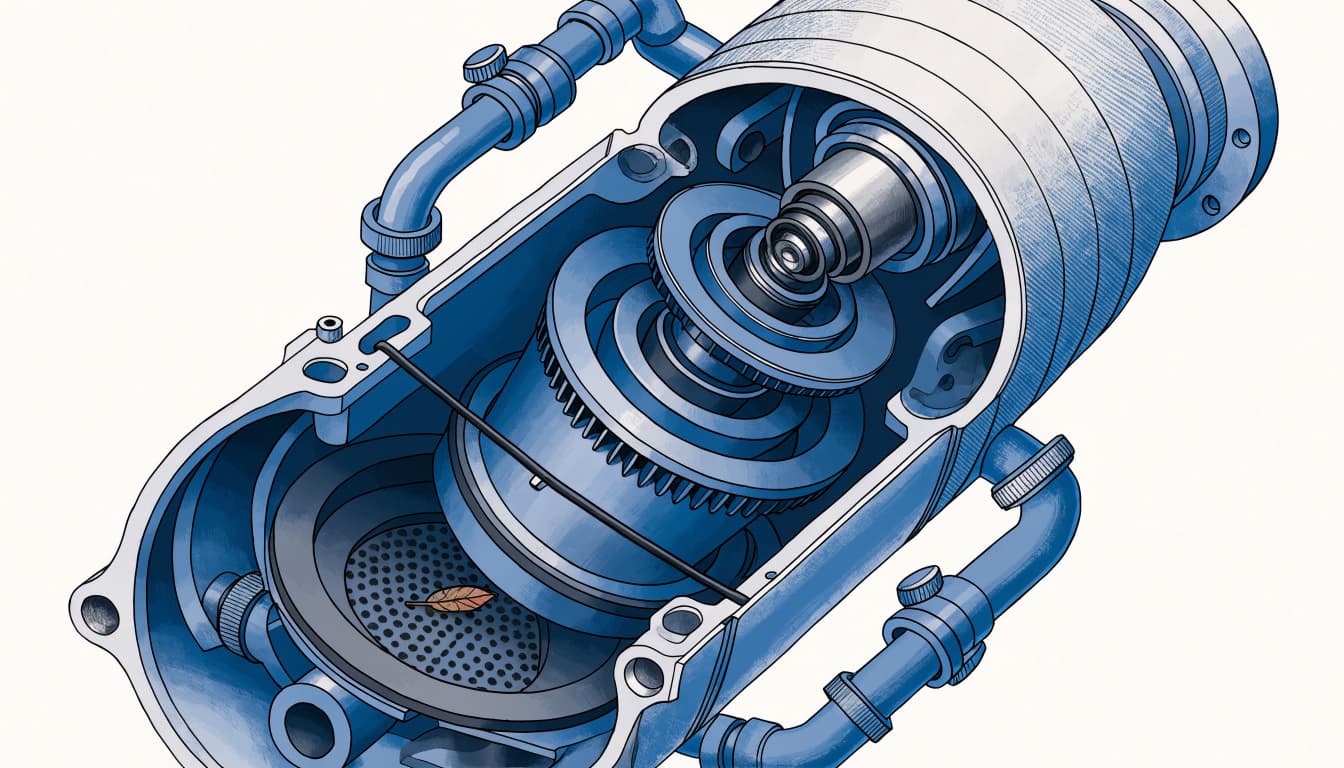
Rattling, buzzing, or a heavy hum
Rattling can come from loose mounting hardware, unsupported plumbing, or debris inside the pump. A steady vibration may travel through the concrete pad or pipes and become louder beside a wall.
However, a motor that hums without starting needs a different response. Shut it down and arrange professional diagnosis. Electrical faults or a seized motor can produce this symptom, and repeated starts can worsen damage.
Screeching or grinding
A persistent high-pitched squeal can point to worn motor bearings. Grinding may involve bearings, the impeller, or debris contacting moving parts.
These sounds deserve prompt attention, especially when paired with leaking, overheating, or interrupted operation. Don't spray lubricant into the motor or continue running it to see whether the sound disappears.
Address Gravel Sounds, Bubbles, and Weak Flow
A pump that sounds as though it's moving gravel may have a water-supply problem. However, sound alone can't distinguish cavitation, trapped air, and debris.
Separate cavitation from air entering the system
Cavitation occurs when pressure falls enough for vapor bubbles to form and collapse inside the pump. Restricted suction plumbing or excessive pump speed can contribute.
Air entering through a suction-side leak creates a different problem. Clues include persistent bubbles under the pump lid, bubbles at pool returns, or difficulty maintaining prime.
A leaking lid seal or suction fitting can admit air without dripping water outward. Meanwhile, a skimmer drawing air because the pool level is low can cause similar symptoms.
Restore the water supply first
Bring the water level into the skimmer's intended operating range. Then, with the equipment safely shut down, empty loaded skimmer and pump baskets according to the equipment instructions.
Look for an obvious skimmer blockage, including a stuck weir door. Don't change unfamiliar valve positions, since closing a suction path can make the problem worse.
If the pump won't stay primed, stop running it. Persistent symptoms need diagnosis for air leaks, blockages, impeller problems, or unsuitable operating settings.
A dirty filter restricts flow after the pump. A blocked suction line restricts water entering it, so the two problems need different fixes.
Reduce Vibration at the Equipment Pad
Even a healthy pump can sound intrusive when its vibration transfers into nearby structures. The fix should address the mounting and plumbing without putting stress on either.
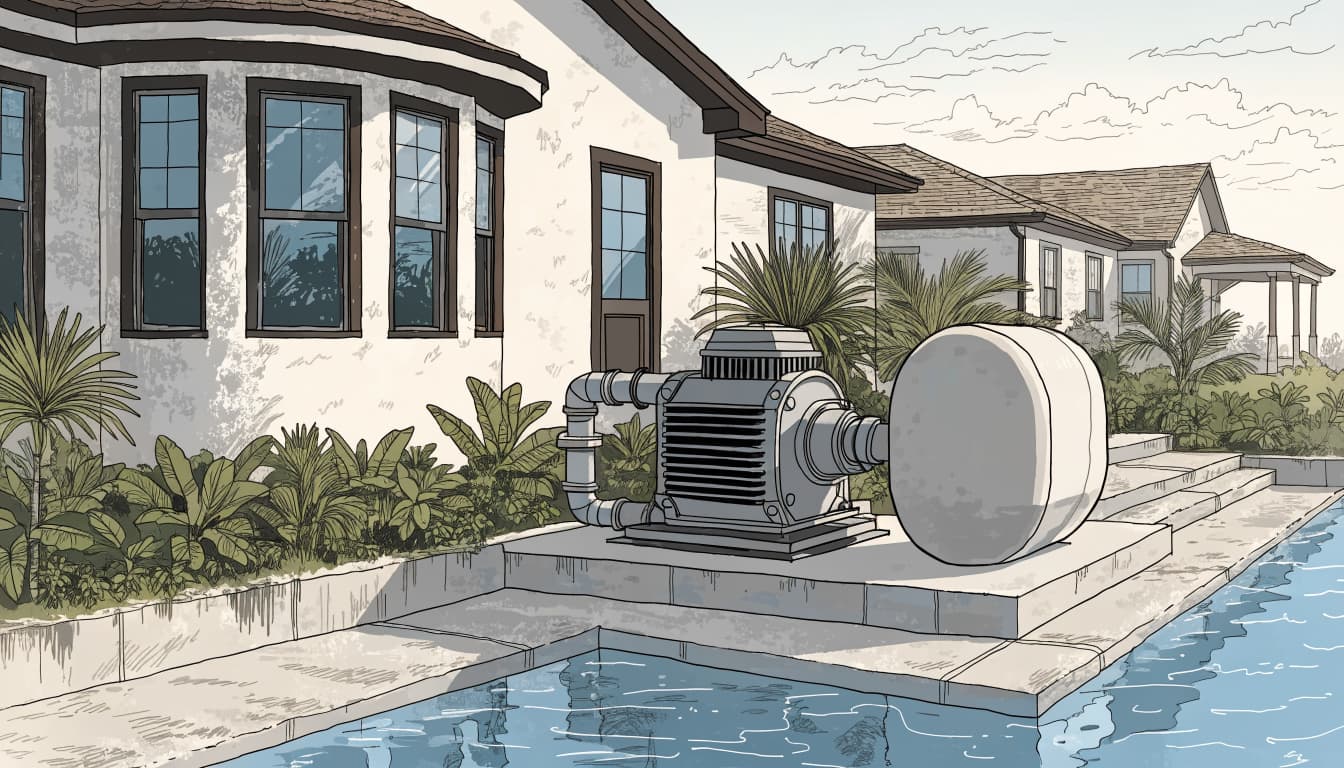
Stabilize the pump base
With power isolated, inspect for visible movement, damaged feet, loose hardware, or a deteriorating mounting surface. A pump should sit securely without rocking.
Have a pool professional correct mounting problems and install any manufacturer-compatible vibration isolation. Sliding generic foam or carpet beneath an installed pump can change alignment, hold moisture, or compromise secure mounting.
Don't move the pump or disturb its bonding connection yourself.
Relieve vibration in the plumbing
Pipes touching a wall, enclosure, or loose support can transmit a hum into living areas. Poor alignment can also place strain on pump connections.
A professional can adjust supports and correct stressed plumbing. Avoid wedging objects against pipes or forcing them into a different position.
For new construction, our guidance on pool equipment pad placement covers layout choices that affect access and noise. Those decisions are easier before plumbing and decking are complete.
Troubleshoot Safely Before Opening Anything
Limit homeowner troubleshooting to accessible maintenance and visual observations. Electrical diagnosis, motor work, and internal pump repairs belong with qualified professionals.
Use this sequence when investigating a new sound:
- Observe the running system from a safe distance. Note the sound, water movement, visible bubbles, and which features are operating.
- Shut off power at the appropriate disconnect and prevent automatic restart before touching the pump or opening a basket.
- Follow the equipment instructions for pressure release and basket cleaning. Never loosen a filter clamp or lid while the system is pressurized.
- Restore the system according to its instructions. If unusual noise, leaking, or loss of prime continues, shut it down and arrange service.
Never run a pump dry. Also, don't reach into a pump housing, open motor wiring compartments, or repeatedly reset a tripping breaker.
If electrical equipment sits in standing water, stay clear and call a qualified professional.
Account for Cape Coral's Outdoor Conditions
Cape Coral's weather affects both equipment condition and water supply. During hot, dry stretches, evaporation can lower the pool level until the skimmer starts pulling air. Raised spas, waterfalls, and bubblers can add splash-out and evaporation.
Heavy rain brings another concern. Windblown leaves and landscaping debris can load baskets quickly, even around screened pools. Inspect accessible baskets after storms once conditions are safe.
Humidity, coastal salt air, and salty splash-out can accelerate corrosion on vulnerable metal components. Look for deteriorating hardware, leaks around the pump, and moisture collecting where it shouldn't.
Keep vegetation and stored items away from motor ventilation openings. Also, direct irrigation spray away from equipment and maintain drainage around the pad.
Don't wrap the motor in insulation or cover it with a blanket to quiet it. Trapping heat can damage equipment, particularly during Southwest Florida's hotter months.
Plan Quieter Equipment for a New Pool or Renovation
Noise control starts before installation. Pump selection, plumbing layout, feature requirements, and equipment location all influence what you hear from the lanai.
Use appropriate speeds for each task
Variable-speed pool pumps can run more quietly at lower speeds than during high-speed operation. However, the settings must still support filtration, heating, chlorination, and any operating water features.
A salt chlorine generator and heater each need adequate flow. Therefore, turning the speed down until the sound improves isn't a complete setup plan.
Commission the system around its actual operating needs. Our pool renovation and remodeling services include equipment upgrades that can fit a broader improvement project.
Choose placement and barriers carefully
Locate equipment with bedrooms, neighboring windows, and outdoor seating in mind. Hard walls can reflect sound, while a narrow equipment area can make maintenance difficult.
A properly designed solid barrier can interrupt the direct sound path. However, it must preserve ventilation, drainage, electrical access, and equipment clearances. An airtight box is unsuitable for a pump motor.
Include sound preferences among your pool design consultation questions. A well-planned location is more practical than trying to silence poorly placed equipment later.
Decide Whether Repair or Replacement Makes Sense
Repair may be appropriate when the problem is isolated, such as a damaged seal, loose mounting, or a serviceable motor fault. The rest of the pump and circulation system should still be in suitable condition.
Replacement deserves closer consideration when noise accompanies repeated failures, substantial corrosion, recurring leaks, or unreliable operation. Keep repair records so you can compare another repair with a system-matched replacement.
A larger pump isn't automatically a better pump. Replacement equipment must match the plumbing, filter, electrical supply, and requirements of the pool's features.
If several parts of the pool are aging together, our Cape Coral renovation warning signs can help you recognize when coordinated improvements make sense. A noisy pump alone doesn't mean you need a full remodel.
Frequently Asked Questions About Noisy Pool Pumps
Is some pool pump noise normal?
Yes. A steady motor sound and moving water are normal. A sudden change, persistent squeal, grinding, or repeated loss of prime deserves attention. Compare the sound under the same operating conditions, because higher speeds and spa settings naturally sound different.
Will a sound enclosure solve the problem?
A suitable barrier can reduce how much sound reaches seating areas or windows. However, it won't repair bearings, restore water supply, or stabilize loose equipment. Diagnose mechanical and flow problems first, then address remaining sound without blocking cooling or service access.
Should I switch the pump off when it gets loud?
Shut it down if the noise comes with failed startup, loss of prime, burning odor, grinding, or electrical trouble. Arrange prompt service rather than repeatedly restarting it. For a stable but louder-than-usual hum, investigate operating speed and vibration before assuming the motor has failed.
Make Quiet Operation Part of the Pool Plan
The most effective way to reduce pool pump noise is to match the fix to the symptom. Clear restrictions, correct vibration, and address damaged components before adding barriers.
For a new Cape Coral pool or renovation, make quiet operation part of equipment selection and placement. A properly matched system protects both circulation and the comfort of the backyard around it.