Spa Jet Placement for Comfortable Hydrotherapy
Comfortable spa jet placement starts with the people who will use each seat. The jets need to work with the bench height, water depth, and sitting position so the water reaches the intended areas without feeling harsh.
A varied seating layout can give your household a choice between a gentle soak and a more focused massage. The best time to plan those choices is before the shell and plumbing are built.
How Spa Seating Affects Jet Comfort
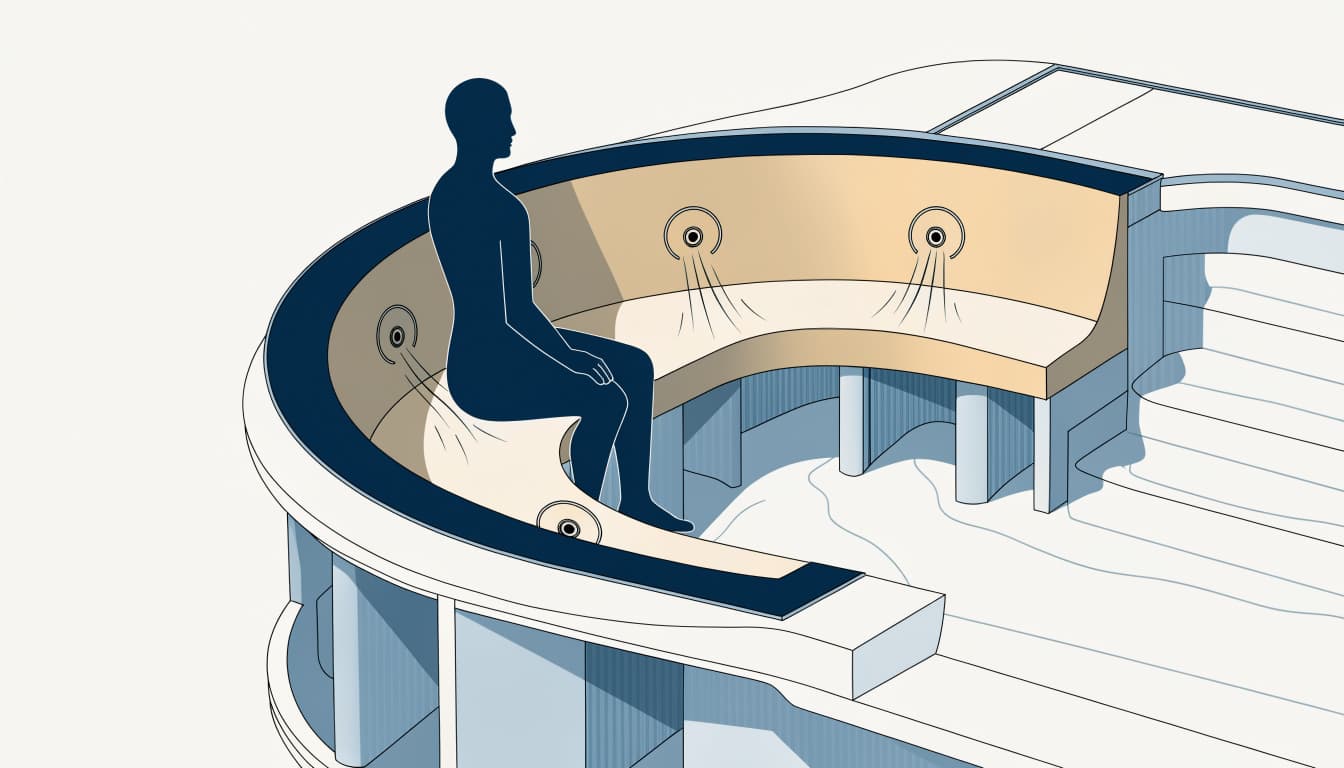
A jet that feels comfortable in one seat may miss its target in another. Seat depth, backrest shape, and the waterline all affect how a person settles into the spa.
Account for Different Sitting Positions
People of different heights won't sit against the same bench in exactly the same way. A taller person may want more legroom, while a shorter person may prefer a seat that makes it easier to keep their shoulders comfortably submerged.
In a deeper seat, a person may slide forward or float away from the backrest. A shallower seat can feel more stable, but less of the upper body may be underwater. Discuss the likely water level and seat dimensions together rather than choosing either one in isolation.
Leave Room to Move and Get In
A comfortable spa also needs enough open space for people to turn, change seats, and enter without stepping on someone else's feet. Consider where knees and feet will fall when several people use the spa at once.
Steps, handrails, and a clear route to the deck deserve attention during the seating plan. Our guide to spa access and pool comfort covers features that can make moving around the water easier.
Choose Jet Types for the Experience You Want
Jet style affects how the water feels against your body. A layout with different options gives people a reason to move between seats instead of receiving the same sensation everywhere.
Directional and Broad-Flow Jets
Directional jets allow the stream to be aimed within the range the fitting permits. They can be useful when two people of different heights prefer the same seat but want the water to reach different areas.
A broader flow spreads water over a larger area and can feel gentler than a concentrated stream. Focused jets deliver water to a smaller area. Neither style is right for every person, so a combination can give the spa more flexibility.
Rotating Jets and Air Controls
Rotating or pulsating jet designs change the feel of the water across an area. They can add variety to a seat intended for a massage-like experience.
Some systems also draw air into the water stream. This changes the sensation and creates visible bubbles, but it can increase noise and splashing. Controls that let you reduce or turn off the air offer another way to adjust the experience.
Match Body Zones to Each Seat
Start with the areas your household wants to target, then design seats around those preferences. Jet placement can support relaxation and a massage-like sensation, although it isn't a substitute for medical treatment.
Upper and Lower Back
Some people prefer attention around the upper back and shoulders. Others want a seat that focuses on the lower back. A single arrangement won't necessarily suit both, especially when bathers differ in height.
Consider making one seat the primary back-massage position and giving another a gentler feel. The seat and backrest need to support a relaxed posture so the person doesn't have to twist or slide to enjoy the water.
Avoid treating the spine as a target for a forceful stream. Comfort is personal, and sensitive areas may feel better with a softer flow or no direct stream.
Legs and Feet
Leg and foot coverage can make a spa feel more complete, especially for people who spend much of the day standing. The position of the feet matters, though: bathers need enough room to sit naturally without bracing against a jet fitting or another person's legs.
A shared footwell can accommodate several seating positions, but it also needs enough open space for movement. Consider whether a dedicated leg-focused seat would suit your household better than trying to give every seat the same coverage.
Balance Jet Pressure With Coverage
More jets don't automatically create a better massage. Every open jet needs water, and the available flow depends on the pump, plumbing, fittings, and operating mode.
If too many outlets share a system that can't supply them adequately, the streams may feel weaker than expected. A focused jet can also feel too intense for someone who prefers a gentle soak. Plan for both preferences instead of relying on jet count as a measure of comfort.
Adjustable fittings and controls can provide options, depending on the equipment selected. A builder can also design separate jet zones or operating settings when the plumbing and equipment support them.
Coverage and intensity should be considered together. A broad, gentle stream may suit a long soak, while a more focused stream may be welcome for a shorter session. The goal is a spa where people can choose a comfortable seat without having to make the entire spa feel the same.
Plan Circulation, Plumbing, and Service Access
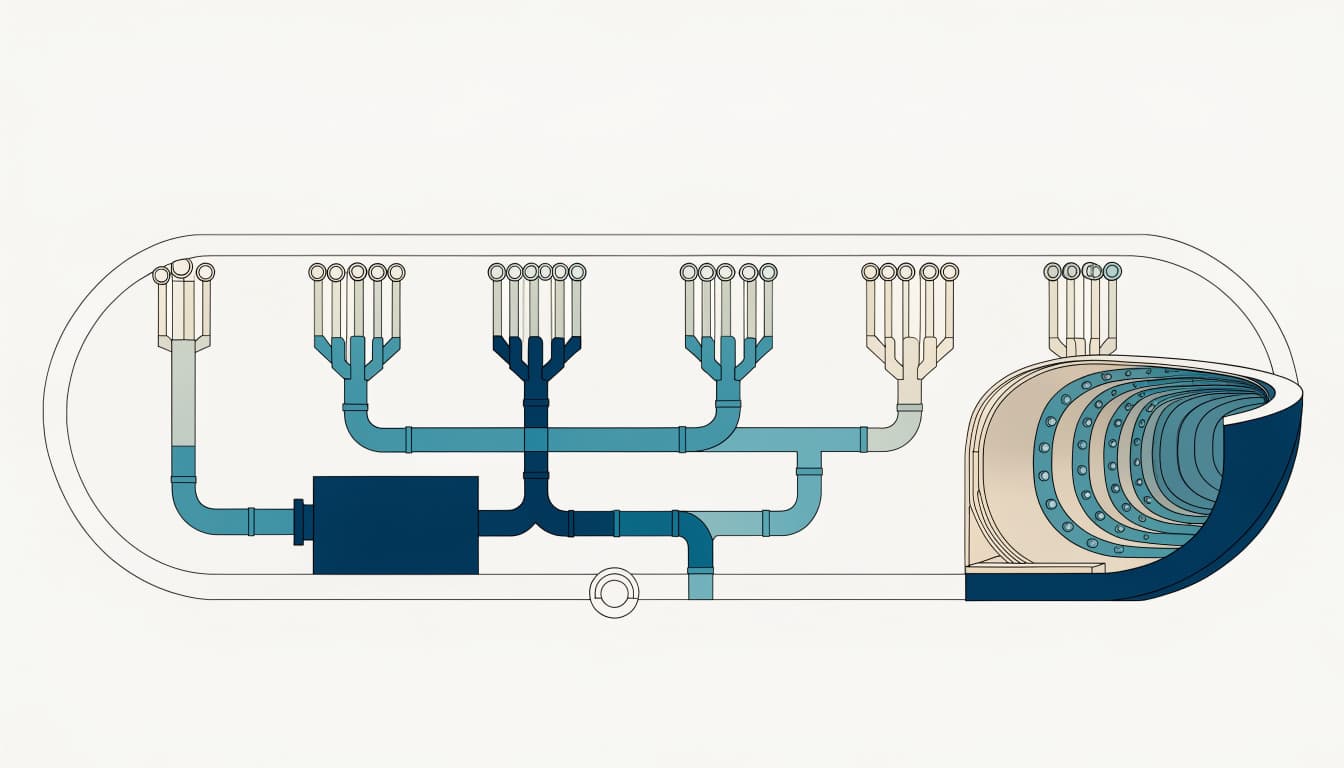
Jet placement has to work with the system behind the spa wall. Plumbing decisions affect how water reaches each outlet and how the spa operates alongside the pool.
Design for Flow at the Jets
Long pipe runs and sharp turns create resistance, which can reduce the flow available at distant outlets. Pipe sizing, branch layout, fittings, and pump selection all influence performance.
For a new build, we plan those elements alongside the shell and equipment layout. A spa may use dedicated suction and return plumbing, or it may share parts of the pool system. The right arrangement depends on how the pool, spa, and other water features will operate.
Our guide to gunite pool plumbing basics explains why these decisions matter before the pipes are covered.
Include Filtration and Maintenance
Massage jets are only one part of the water system. The spa also needs circulation, filtration, heating, and sanitation appropriate to its design.
Keep suction fittings unobstructed, and never use a spa with a damaged or missing drain cover. A licensed pool professional should handle suction-system design and any related repairs.
The equipment pad needs service space, too. Pumps, valves, filters, and heaters should remain accessible after decking and landscaping are complete. If the spa shares equipment with the pool, the controls should make it clear how to switch between pool and spa operation.
Test and Customize the Layout Before and After Construction
Drawings are easier to change than a finished gunite shell. Before construction, ask for a plan view and a cross-section that show the waterline, seats, steps, and proposed jet locations together.
Discuss how each intended user will sit. A dry mockup with chairs or a marked bench can help your household judge legroom and sitting height. It won't reproduce buoyancy or water pressure, but it can reveal a seat that feels crowded or awkward.
If you have access to a completed spa with comparable features, sit in different positions and try its controls. Notice whether you prefer a broad flow, a focused stream, or a quieter setting. The experience can guide your choices, although a different spa's pump and plumbing won't produce an exact match.
During the finished spa walkthrough, run the system in spa mode and try every seat. Adjust any directional fittings and air controls that are designed for user adjustment. Test how the seats feel with more than one person in the water, and learn how to operate the controls and shut down the equipment.
New Construction and Renovation Offer Different Options
A new gunite spa allows the seating, shell, plumbing, and equipment to be planned together. That gives you more freedom to create different seating experiences before construction begins.
An existing spa has a starting layout already in place. Changing jets may involve work behind the finish, alterations to plumbing, or changes at the equipment pad. The scope depends on the existing shell and system, as well as the changes you want.
Adding a spa during a pool remodel can also affect the deck and circulation equipment. Our pool renovation and remodeling services include design changes such as adding a spa to an existing pool.
Whether you're renovating or building new, discuss the desired seats early. Moving a feature after the layout is established can affect plumbing and structural work, not just the interior finish.
Spa Jet Planning Checklist
Bring these decisions to your design meeting:
- Describe who will use the spa and whether they prefer gentle water movement or a more focused massage.
- Identify the body areas you want each seat to address, and discuss varied seat heights and legroom.
- Review a drawing showing the waterline, steps, seats, jet layout, and space for moving between positions.
- Discuss jet types, adjustable controls, air options, and how different seats or zones will operate.
- Include circulation, heating, plumbing routes, equipment access, and the relationship between pool and spa modes.
- Plan a finished-system walkthrough so you can try the seats and learn the controls.
Build the Spa Around Comfort
Good spa jet placement begins with a comfortable seat and a clear idea of how you want the water to feel. Varied seating and adjustable options give more people a way to enjoy the same spa.
If you're planning a new backyard, our custom pool construction services include integrated spas designed as part of the overall pool layout.