
Southwest Florida Pool Shell Delamination: Causes and Repairs
A blister in a fiberglass pool can be a surface flaw, or it can point to separation within the shell. Because those problems need different repairs, pool shell delamination should be assessed before anyone sands, patches, or resurfaces the area.
Southwest Florida's heat and seasonal rain can add stress around a pool, but weather alone can't diagnose the damage. The right repair depends on which layers are affected, how far the problem extends, and whether the shell or nearby components have other damage.
Key Takeaways
- Delamination means layers within a fiberglass shell have separated. A surface blister or rough patch may look similar, but doesn't confirm that diagnosis.
- Southwest Florida's heat, sun, and wet-season conditions can affect the stresses around a pool. They don't point to one cause on their own.
- Small areas may need a localized repair. Wider or deeper damage can require rebuilding sections of the laminate or considering more extensive work.
- A qualified pool professional should assess the shell and related components before repairs begin.
What Pool Shell Delamination Means
A fiberglass pool shell is made of bonded layers. The gelcoat forms the visible surface, while fiberglass laminate beneath it gives the shell strength. Delamination occurs when layers separate instead of staying bonded.
That separation can stay close to the surface or involve deeper layers. The distinction matters: a small gelcoat defect may call for a different repair than a weakened section of laminate.
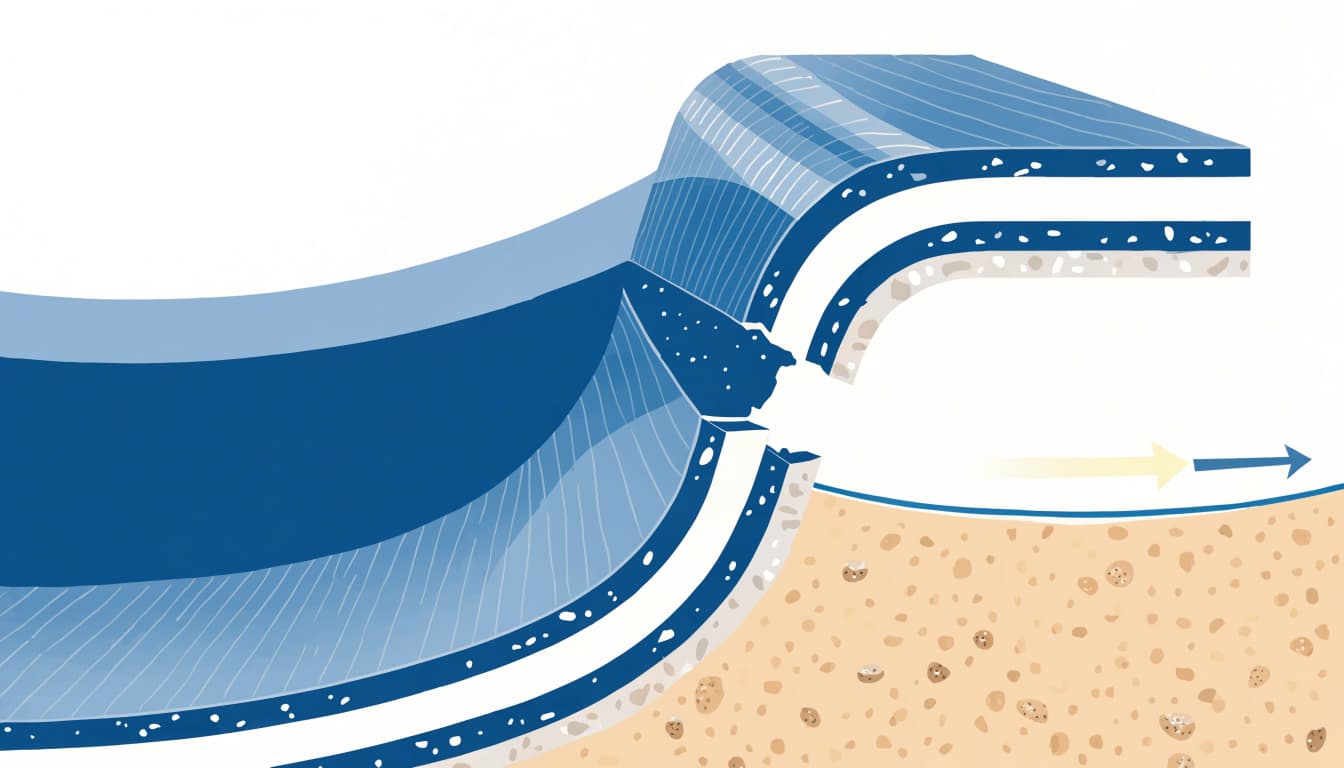
Gelcoat damage and laminate separation aren't the same
A mark in the gelcoat affects the outer finish. If the fiberglass beneath remains intact, the repair may be limited to the surface. When separation reaches the laminate, a cosmetic patch may conceal the area without addressing the underlying damage.
Fiberglass shells also flex differently from concrete pools. A crack can affect the gelcoat, the laminate, or an area around a fitting or penetration. For a closer look at material-specific work, see our guide to fiberglass pool shell damage repair.
Delamination isn't the only explanation for a flaw
A bubble, rough spot, crack, or color change can have more than one explanation. Similar-looking symptoms may involve only the finish, or they may accompany damage to deeper layers. A visual check can help identify areas of concern, but it can't always show how far a separation extends.
Signs to Watch For, and What They Can Tell You
Changes in the pool surface are worth documenting, especially if they grow or appear in several locations. Take clear photos and note where each spot occurs. That record can help a pool professional compare the condition over time.
Possible symptoms
A raised blister, soft-feeling patch, rough area, crack, or hollow sound when the shell is tapped may point to a problem. Bulging or a visible change in shape deserves prompt attention. These signs can be limited to the finish, or they may indicate a deeper concern.
Water loss can also occur alongside shell damage, but it doesn't prove delamination. Leaks can come from plumbing, fittings, or other components. A pressure test can help identify plumbing leaks before a new surface is installed.
Causes need an inspection, not a guess
Separation between layers is the defining problem. Localized flex or stress near fittings and penetrations may also matter, since fiberglass can respond differently from rigid concrete. Still, a blister or crack by itself doesn't reveal which factor started the damage.
Avoid treating every surface flaw as a shell failure. Equally, don't cover a suspected damaged area with a finish coat before the underlying condition is assessed. The repair needs to match the actual depth and extent of the problem.
How Southwest Florida Conditions Can Affect a Pool
Southwest Florida's long periods of heat and strong sun, along with heavy seasonal rain, shape the conditions around a pool. Temperature and moisture changes can affect surrounding materials and the stresses on pool components. If a shell already has a vulnerable area, those conditions may aggravate or reveal a problem.
However, local weather doesn't establish the cause of a particular spot. A pool in Cape Coral or Fort Myers can show surface symptoms for several reasons, and the same symptom can call for different repairs. The shell's material and condition matter more than the location alone.
Seasonal rain can also affect when repair work is practical. A repair area may need to be dry and properly prepared before new materials can bond. If the pool requires draining, the professional must account for site conditions and the shell's state before setting a work plan.
The practical takeaway is to treat Southwest Florida conditions as part of the inspection, not as a diagnosis. A professional should look at the shell, nearby deck and coping, fittings, and plumbing to understand the full picture.
Repair Options Depend on the Extent of Damage
There's no single patch that suits every fiberglass shell. The professional's findings should guide whether the work stays at the surface, rebuilds part of the laminate, or expands into a larger renovation.
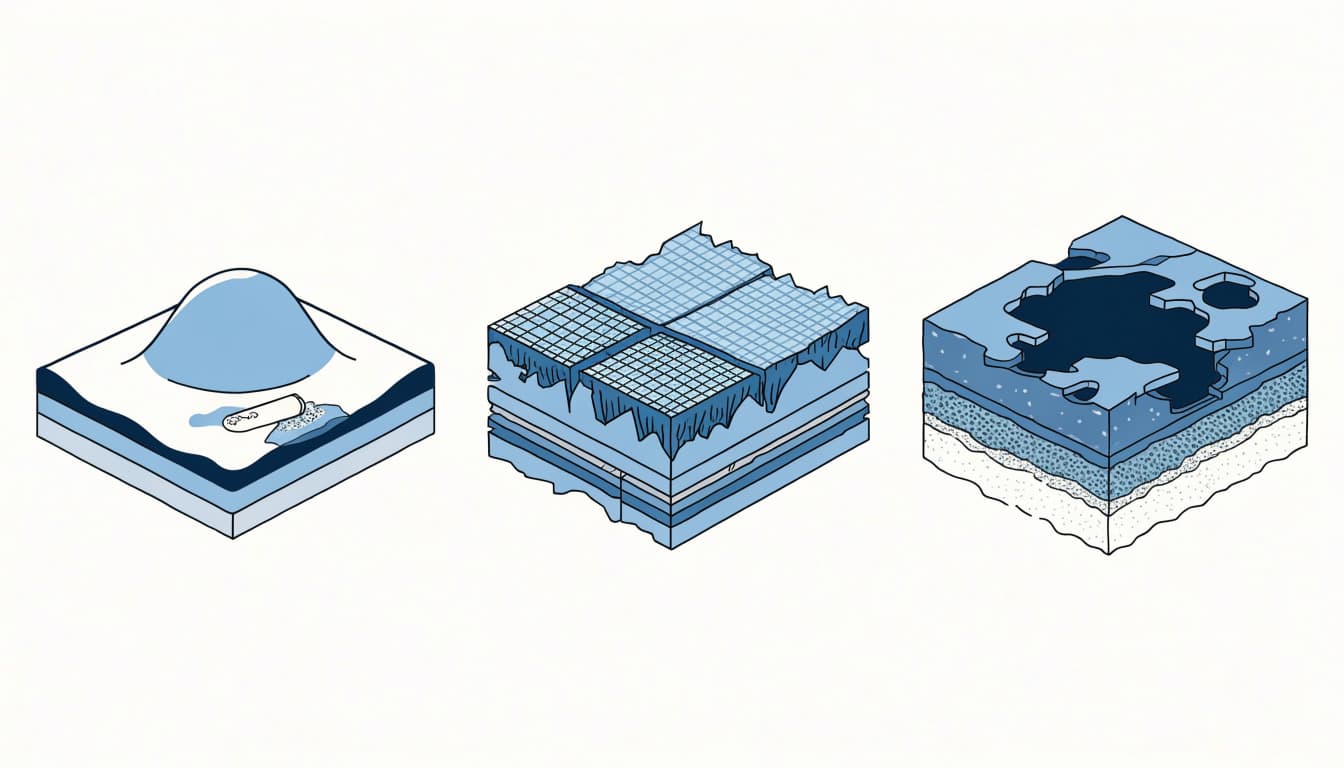
Localized gelcoat repair
If the defect is limited to the gelcoat and the laminate remains sound, a repair may involve removing damaged material, preparing the area, and applying a compatible finish. A color-matched coating can improve the appearance, although an exact match may be difficult on an older or weathered shell.
The preparation matters as much as the visible patch. Applying new material over an unstable or poorly prepared surface can lead to another bond problem.
Fiberglass laminate repair
When separation or cracking reaches the fiberglass layers, the damaged section may need to be opened, dried, and rebuilt with compatible reinforcement and resin. The repaired area then needs an appropriate finish. Fiberglass materials must bond with the existing shell and tolerate its normal flex.
The size of the repair depends on the area of compromised laminate, not just the visible mark. A small opening at the surface can conceal a broader problem, so the limits of the damage need to be determined before reconstruction.
Broader repair or replacement
If damage covers a large area or the shell has multiple structural concerns, a localized patch may not be enough. The assessment may lead to more extensive shell work or a discussion about replacement. That decision depends on the shell's overall condition, the repair scope, and the feasibility of restoring it.
A full renovation may also reveal related issues with steps, benches, fittings, or surrounding components. Our overview of pool renovation and remodeling services describes the broader types of work that can be considered when an existing pool needs attention.
Get a Professional Assessment Before Repairs
Have a qualified pool professional inspect the shell before choosing a repair. The assessment should distinguish surface damage from laminate separation and consider the pool's plumbing, fittings, coping, deck, and nearby equipment. A thorough review helps prevent an attractive finish from hiding a structural issue.
What the inspection should establish
The professional should identify the affected shell material, map the visible damage, and determine whether the laminate appears involved. They may also check for cracks near penetrations, loose coping, deck movement, and plumbing leaks. A pressure test can help isolate plumbing issues when water loss is part of the concern.
Ask for an explanation of the recommended repair scope and how it addresses the damage found. A useful plan names the affected area, the repair materials and preparation involved, and any related work required before the pool returns to service.
Why patching first can cost more later
A quick surface patch may hide symptoms without restoring separated layers. Likewise, adding a new finish before shell repairs are complete can create a bond problem or require rework. The repair plan should account for the shell's condition before cosmetic work begins.
For guidance on repair sequencing, read about repairing pool cracks and delamination. The shell should be repaired and allowed to cure as required before later materials cover it.
Plan Shell Repairs Before Resurfacing
Resurfacing improves a worn or damaged finish, but it isn't a substitute for structural repair. If the shell has delamination, the affected area needs attention before a new surface goes on. Otherwise, the fresh finish may not solve the underlying problem.
The work order matters during a renovation. First, assess the shell and plumbing. Then complete necessary repairs and allow materials to cure for the required time. Only after the repair is ready should the project proceed to finishes, tile, or other planned updates.
For concrete pools, resurfacing and rebuilding address different conditions. A new interior finish can address many surface-level issues, while rebuilding may include structural repairs or other changes. Fiberglass pools require a repair plan suited to the shell's composite layers, so don't assume concrete-pool resurfacing methods apply.
Frequently Asked Questions
Can a pool shell blister without delaminating?
Yes. A blister can be limited to the surface, but it can also accompany separation in deeper layers. The appearance alone doesn't confirm the condition, so the area should be assessed before repair.
Does a crack mean the fiberglass shell is failing?
Not necessarily. A crack may involve gelcoat, laminate, or stress around a fitting or penetration. Its location, depth, and surrounding shell condition help determine what repair is appropriate.
Can a new finish fix delamination?
A finish can improve the pool's appearance, but it won't rebuild separated laminate. If the shell layers are affected, repair them before applying a new finish.
Should I drain the pool to inspect the damage?
Draining isn't a do-it-yourself diagnostic step. The pool shell and site conditions should be assessed first, then a qualified professional can determine whether draining is necessary and how to proceed safely.
Choose Repairs That Match the Shell
Pool shell delamination can range from a localized finish defect to damage within the fiberglass laminate. Southwest Florida's climate can affect conditions around a pool, but only an inspection can establish what the shell needs.
Before work begins, have a qualified pool professional identify the damaged layers and check related components. A repair that matches the actual condition gives the pool a sound basis for any later resurfacing or renovation.