
Pool Renovation Scope: When Structural Work Is Needed
A pool renovation can change the way your backyard looks, how the pool functions, or the shape and depth of the pool itself. The first two kinds of changes are often finish upgrades; the last can involve cutting into or rebuilding the pool shell.
The scope depends on the pool's construction, site conditions, local codes, and design. Here's how to distinguish common structural work from cosmetic upgrades, and when to bring in a qualified pool contractor or structural engineer.
Key Takeaways
- Changing a pool's size, shape, or depth commonly involves modifying the shell, so it needs structural design and construction.
- Moving a drain, skimmer, or other major shell penetration can affect the pool structure and waterproofing.
- New spas, ledges, benches, and water features may need structural work when they connect to or alter the shell.
- Tile, interior finish, coping, and deck updates are often cosmetic, but repairs may be needed beneath them.
- Pool type, soil and site conditions, local codes, and the project design all affect the final scope.
What Counts as Structural Work in a Pool Renovation?
Structural work changes or repairs parts of the pool that hold water and resist soil and water pressure. For a gunite pool, that usually means the reinforced concrete shell, its steel reinforcement, or the bond beam at the top edge. A crack repair may also become structural work if it affects the shell rather than only the surface finish.
Shell repairs are different from finish repairs
A worn interior finish can often be removed and replaced without changing the pool's shape. A crack that extends into the shell, however, may need a repair that addresses the underlying structure before new finish goes on.
The distinction matters because fresh plaster, tile, or paint can cover visible symptoms without fixing the cause. A contractor's assessment should identify whether damage is limited to the finish or reaches the shell.
Structural and finish work happen at different stages
Steel reinforcement and gunite form the structural shell in new pool construction. In a renovation, shell or beam repairs generally need to be completed before tile, coping, and other finish work.
That sequence helps keep the visible upgrades from covering areas that still need repair. It also lets the project team coordinate structural work with plumbing and deck changes.
Changing Pool Size, Shape, or Depth
These are among the clearest signs that a renovation may need structural work. The shell defines the pool's footprint and contours, so changing those elements can involve cutting, extending, or rebuilding part of it.
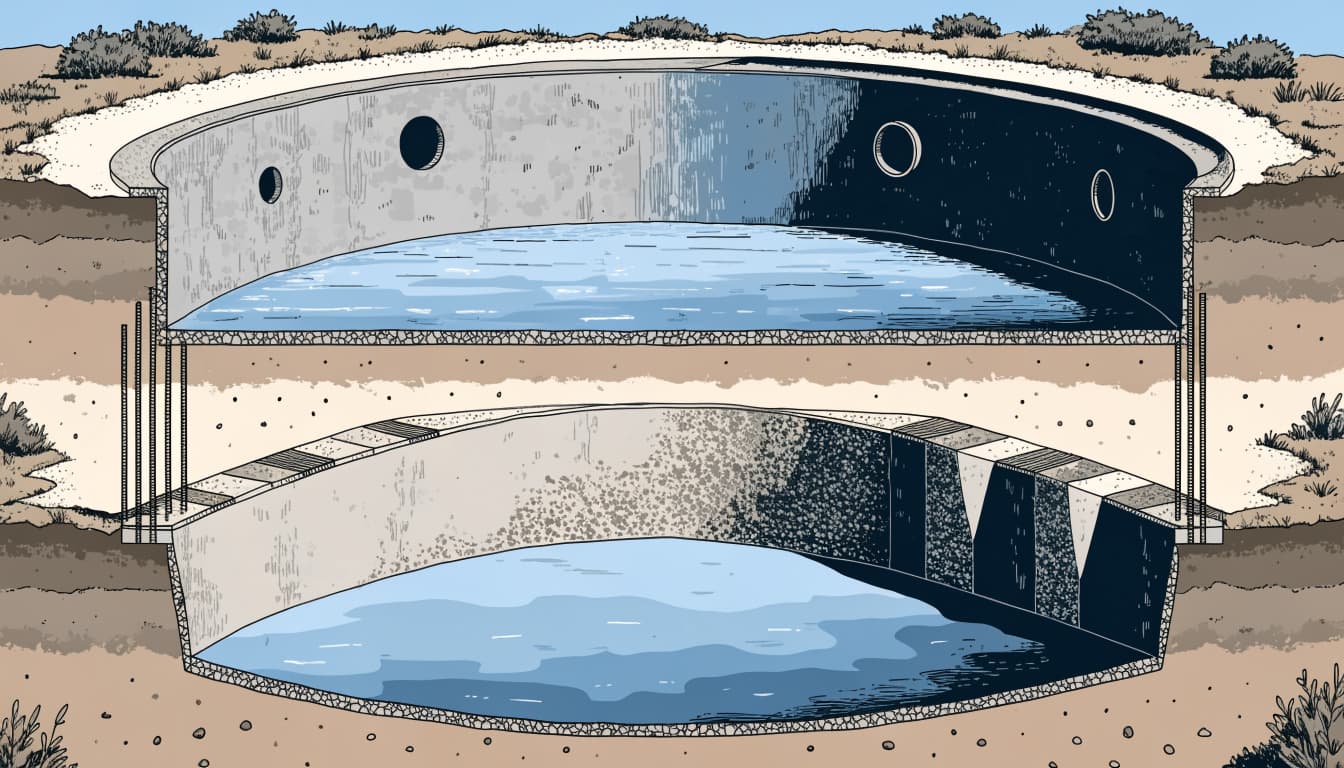
Enlarging or reshaping the pool
Widening a pool, changing a curved wall to a straight one, or extending a swim area can require removing part of the existing shell and tying new construction into it. That connection has to work with the pool's reinforcement and the surrounding ground.
Even a change that looks modest on a plan can affect the shell's geometry. The design also needs to account for the pool's existing construction and nearby features, such as the deck or a screen enclosure.
Changing depth or adding a beach entry
Raising or lowering the floor changes the pool's profile and the way the shell supports the water. A new shallow shelf, beach entry, or deeper section may therefore call for more than a new interior finish.
The extent of work varies with the pool's original design and the proposed change. A qualified pool contractor or structural engineer can determine how the design affects the shell and reinforcement.
Moving Drains, Skimmers, and Other Penetrations
A pool wall or floor penetration is an opening for equipment or plumbing, such as a drain, return, or skimmer. Moving one can affect the shell around the opening and the seal that keeps water from escaping.
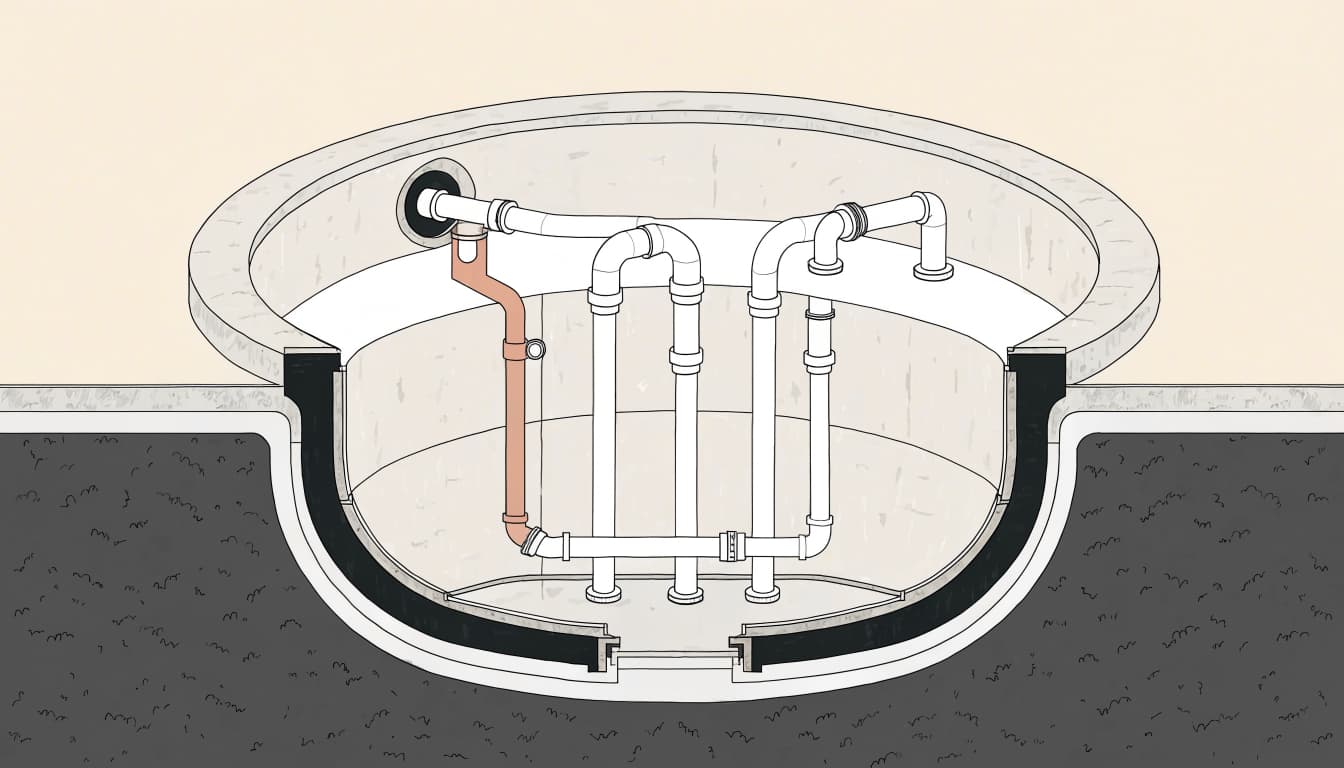
Relocating a shell opening
A new drain location or a moved skimmer may require cutting into the pool wall or floor, closing an existing opening, and forming a new one. The repair needs to account for the shell and waterproofing, not just the pipe connection.
The exact work depends on the pool's layout and construction. When a proposed change touches the shell, include it in the structural scope before finish work begins.
Adding deck-level features
Some features connect to the pool plumbing but sit outside the shell. Deck jets, lighting conduits, deck drains, and rail sleeves may need space in or below the deck, even when they don't alter the pool wall.
Their locations should be planned before the final deck surface goes in. For a broader look at feature options, see our custom pool features and upgrades.
Adding a Spa, Ledge, Bench, or Water Feature
A new feature can be a visual upgrade, a structural addition, or both. The key question is whether it changes or connects to the pool shell.
Integrated spas and built-in seating
An attached spa, a deeper conversation bench, or a tanning ledge can change the pool's shape and water-holding structure. Depending on the design, the work may involve shell modifications, reinforcement, plumbing changes, or a combination.
A freestanding feature outside the pool may have a different scope. The plans should show how the new element relates to the existing pool, deck, and equipment.
Waterfalls and other features
A waterfall or raised wall may need a footing or support structure, along with plumbing and waterproofing details. By contrast, some water effects rely on equipment or fittings that don't require reshaping the shell.
The design determines the difference. Our pool renovation and remodeling services are customized to the homeowner's goals, budget, and property layout.
Which Pool Upgrades Are Usually Cosmetic?
Cosmetic work changes visible surfaces without changing the pool's footprint, depth, or shell. Many renovations focus on these updates, although removing old materials can reveal repairs that should be addressed first.
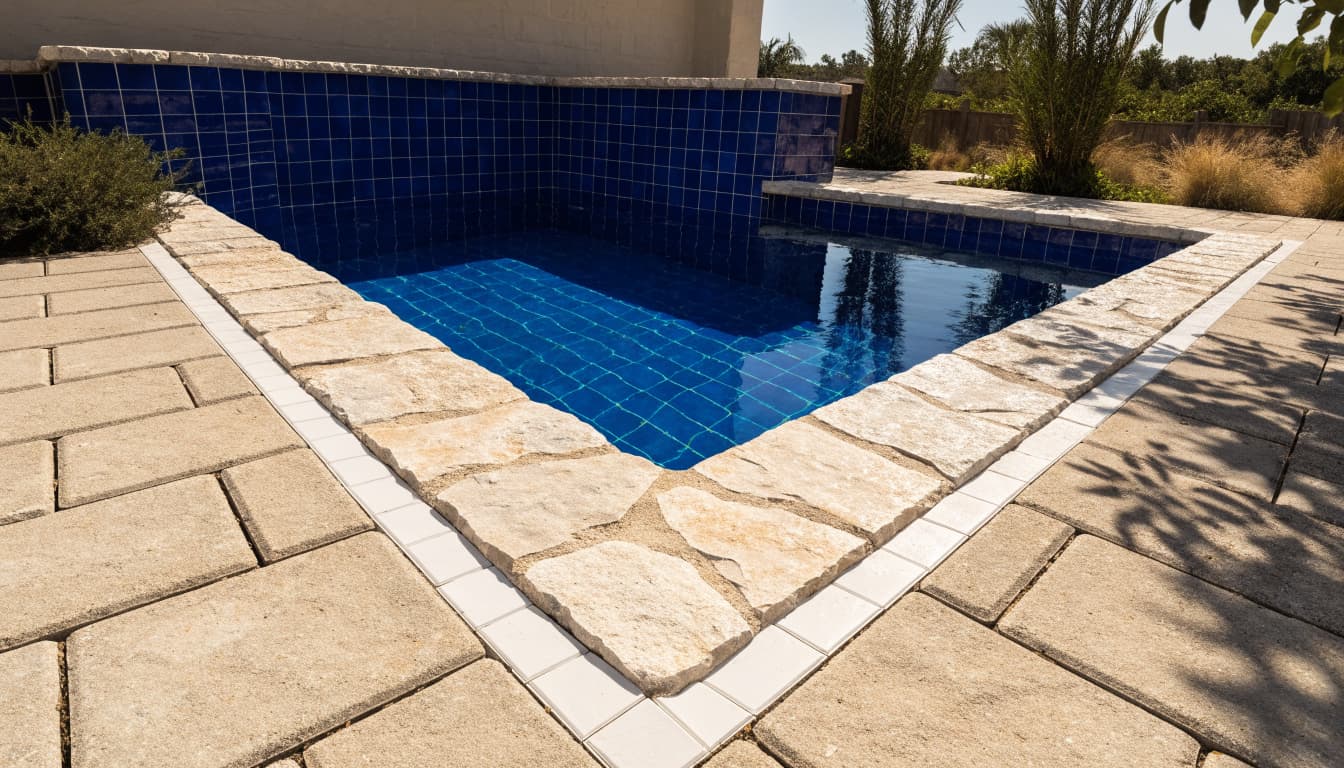
Interior finish, tile, and coping
Replacing the pool's interior finish or waterline tile is often a surface upgrade. New coping can also refresh the edge around the pool without changing the shell's dimensions.
However, loose tile, failing coping, or recurring cracks can point to underlying movement or damage. The condition of the surface after removal helps determine whether the work can remain cosmetic.
Decking, lighting, and equipment
Replacing pavers or resurfacing a deck usually affects the area around the pool, not the pool shell. Updating pool lights or equipment may also be a functional upgrade rather than a structural one.
Still, deck work can include sleeves, conduits, drains, or plumbing for new features. Plan those details before installing the finished surface so crews don't need to reopen completed areas.
How Pool Type and Site Conditions Affect the Scope
A renovation plan needs to fit the pool that exists, not a generic model. Concrete, fiberglass, and vinyl-lined pools have different construction details, so a change that suits one type may not suit another.
Existing construction shapes the options
For a gunite pool, the shell and its reinforcement are central to any change in depth, shape, or opening location. Other pool types use different structures and repair methods.
The visible interior finish doesn't always reveal what lies beneath it. Plans, construction records, and an on-site assessment can help identify what can be changed and how.
Ground and surrounding features matter
Soil, drainage, nearby structures, and the deck can affect how a proposed modification is built. Existing cracks or settlement may also change the amount of repair needed before new finishes go in.
Local building codes and permit requirements vary with the project and location. Those requirements, along with site conditions, should inform the scope rather than being treated as a one-size-fits-all rule.
Plan the Structural Work Before Choosing Finishes
A good renovation plan settles shell and plumbing questions before the project moves to tile, coping, and deck materials. That order reduces the chance of disturbing new finishes to reach unfinished repairs.
Put design, engineering, and permits in the right sequence
Start with the desired changes and a review of the existing pool. If the plan changes the shell or affects load-bearing elements, involve a qualified pool contractor or structural engineer to assess the design.
Engineering and permitting requirements depend on the project and local codes. The project team can identify which approvals and construction details apply to the proposed work.
Coordinate repairs with visible upgrades
Shell and beam repairs, plumbing tests, and required rough inspections should come before finish installation. Tile and coping establish the finished pool edge, while the deck needs to meet those elevations and drain appropriately.
Our guide to pool renovation order and planning covers how repairs, tile, coping, and decking fit into the sequence. Planning those trades together helps keep structural work and cosmetic choices aligned.
Pool Renovation Structural Work FAQ
Does resurfacing a pool require structural work?
Resurfacing alone is usually a finish project when the shell is sound and the work doesn't change the pool's shape or depth. If surface removal exposes shell damage, that repair may need to happen before the new finish is applied.
Does changing pool depth always mean rebuilding the shell?
Changing depth affects the pool's profile, so it commonly involves structural work. The design and construction of the existing pool determine the extent of that work.
Can I move a skimmer or main drain during renovation?
It may be possible, but moving a shell penetration can involve cutting and repairing the pool wall or floor. A qualified contractor or structural engineer should assess the proposed location and its effect on the shell and waterproofing.
Is replacing coping structural work?
Replacing coping is often a finish upgrade. If the bond beam beneath it is damaged or the work alters the pool edge, the scope may include structural repairs.
Set the Scope Before the Finish
The clearest dividing line is whether the project changes or repairs the pool shell. Size, shape, depth, major penetrations, and attached features commonly need structural assessment; surface and deck updates are often cosmetic.
Because pool construction and site conditions vary, define the structural scope before selecting finishes or scheduling deck work. A qualified pool contractor or structural engineer can assess changes that affect the shell or load-bearing elements.