
Pool Bonding Grounding Basics for Fort Myers Pools
An improperly protected pool can turn a small electrical fault into a serious shock hazard. For Fort Myers homeowners, understanding pool bonding grounding is part of building a safe swimming pool, whether the project involves new construction or a remodel.
Bonding and grounding work together, but they aren't the same job. The distinction affects the steel in a concrete shell, metal handrails, underwater lights, saltwater equipment, pump motors, and electrical features near the water. The right plan starts before excavation and ends with professional testing and inspection.
Pool Bonding Grounding: Two Safety Systems With Different Jobs
Bonding connects conductive metal parts around the pool so they stay at nearly the same electrical potential. If a voltage difference develops between a handrail, light niche, ladder, or equipment housing, bonding helps reduce the chance that a person becomes the path between those points.
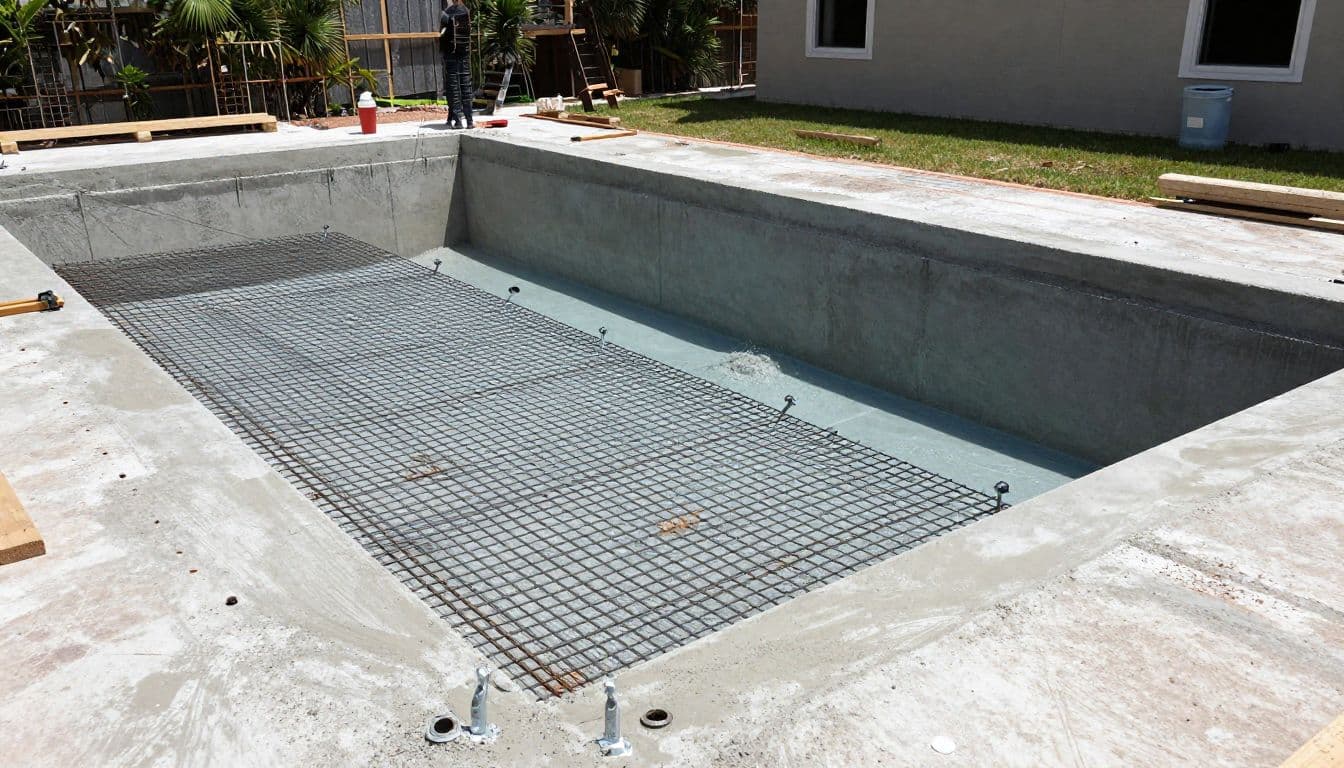
The bonding network can include the pool's reinforcing steel, conductive deck components, metal fittings, equipment, and other accessible metal parts identified by the electrical design. In a concrete pool, much of this work happens before concrete covers the steel and other components.
Grounding connects electrical equipment to the system grounding path. When a fault energizes a pump motor housing or another normally non-current-carrying metal part, grounding provides a low-impedance path that helps the protective device interrupt the fault.
These jobs have different purposes:
- Bonding reduces voltage differences between nearby conductive parts.
- Grounding helps carry fault current back through the electrical system so protection can operate.
- Grounding a system to earth does not replace the bonding needed around a pool.
- Bonding alone does not replace equipment grounding or required GFCI protection.
A ground rod near the house or equipment pad cannot make an unbonded pool safe. Likewise, a connected bonding network cannot correct every problem with a circuit, breaker, transformer, or wiring method.
A pool's metal parts should not be treated as isolated objects. The electrical plan must consider the pool, equipment pad, spa, deck, and nearby features as one connected environment.
A professional pool builder and licensed electrical contractor should coordinate the work. The applicable National Electrical Code requirements, Florida code provisions, local amendments, and inspection requirements all matter.
What Gets Bonded Around a Fort Myers Pool?
The exact bonding scope depends on the pool design and the materials used. For a typical concrete swimming pool, the electrical contractor evaluates the conductive parts that are in, on, or near the pool structure.
That review often includes reinforcing steel in the pool shell, metal coping, ladders, handrails, diving equipment, slides with conductive parts, underwater light niches, and metal fittings. The pool's conductive water also needs to be addressed under the applicable pool electrical rules.
The surrounding deck matters, too. Concrete decks can contain reinforcing steel or other conductive components. Metal trim, a metal fence, a screen enclosure, or a gate near the pool may require evaluation. A nonmetallic surface doesn't automatically remove the need to review nearby metal parts.
Spas and connected water features deserve the same attention. A raised spa, fountain, waterfall, or deck jet can introduce additional metal housings, fixtures, pumps, and controls. Even when a visible feature is made from stone, tile, fiberglass, or plastic, the equipment operating it may contain conductive parts.
The design should also account for pool lighting. Underwater lights, junction boxes, transformers, and related equipment have specific installation requirements. Their wiring and protection must match the pool's electrical design rather than being added as an afterthought.
Not every metal object in a backyard automatically belongs in the pool bonding network. However, a contractor should never assume that a nearby item is irrelevant without reviewing its distance, connection to the pool area, and electrical purpose.
This is one reason a complete pool bonding grounding plan is more useful than a single wire added near the equipment pad. The plan should identify the pool structure, deck, equipment, water features, and nearby conductive items before construction reaches the point where access becomes difficult.
Saltwater Pools, Metal Equipment, and Nearby Electrical Features
Saltwater pools still need bonding and grounding. A salt chlorine generator uses dissolved salt to produce chlorine, but the water can be more conductive than ordinary fresh water. Saltwater does not remove the need for proper electrical protection.
Salt can also increase corrosion concerns when metals, coatings, and connections aren't compatible. Corrosion at a bonding connection can affect continuity over time. The answer isn't to disconnect or ignore the bonding system. The equipment and connections need suitable materials, correct installation, and periodic professional review.
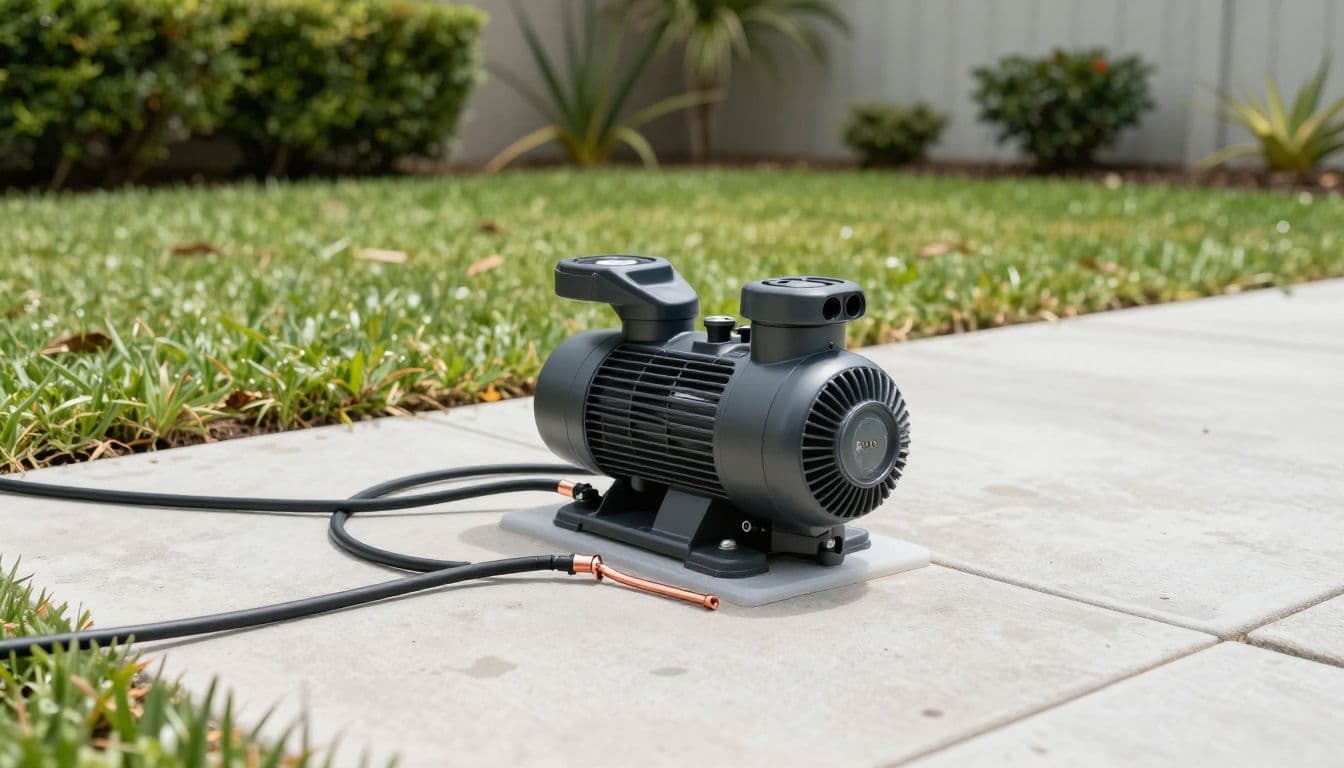
The equipment pad usually contains several items that require attention. These may include a circulation pump, filter components, heat pump, gas heater controls, salt system, automation equipment, and transformers. Some housings are metal, while others combine plastic covers with internal or attached conductive parts. The electrician evaluates each piece as part of the installed system.
A clean equipment layout helps with inspection and future service. Conduits should be protected, equipment should remain accessible, and electrical components should be installed according to their listing and the required clearances. Pool equipment shouldn't be crowded against a wall or hidden behind landscaping where a technician can't inspect it safely.
Nearby features can expand the electrical scope. Examples include:
- An attached spa with separate pumps, lights, or controls.
- Waterfalls, fountains, and deck jets with pumps or metal components.
- Fire bowls or other gas features with nearby metal parts and controls.
- Outdoor kitchens, refrigerators, and receptacles near the pool deck.
- Landscape lighting, patio power, and other electrical equipment.
- Metal screen enclosures, fences, gates, and related structures.
Each feature needs a site-specific review. An outdoor receptacle may require GFCI protection, while a metal feature may need bonding consideration. Those decisions belong to the electrical professional and the local authority having jurisdiction.
How Pool Bonding and Grounding Fit Into Construction
Electrical safety should be part of the pool plan, not a final cleanup item. Before excavation, the builder, electrician, and homeowner should review the pool shape, spa layout, equipment location, deck materials, lighting, water features, and nearby electrical improvements.
San Juan Custom Pools & Spas outlines a construction sequence that includes engineering and permits, excavation, form and steel, concrete, deck work, equipment, and electrical work. Homeowners can review the company's swimming pool construction process to see how these stages connect.
A typical project follows this general order:
- Design and permitting come first. The plans should show the pool and spa, equipment pad, lighting, water features, deck, and relevant electrical work. Existing utilities and nearby structures also need consideration.
- Steel and structural work are reviewed before concrete. The electrician verifies the planned bonding connections and continuity while the reinforcing steel and other concealed components remain accessible. Once concrete covers this work, corrections become harder and more expensive.
- Equipment and features are installed according to the electrical plan. Pumps, heaters, salt systems, lights, automation, transformers, and water features must connect to the correct protective systems. Added features shouldn't bypass the original design.
- Testing and inspections take place before completion. A qualified electrical contractor checks the installation, protective devices, grounding, and bonding continuity. The project then proceeds through the inspections required by the local building department.
Homeowners shouldn't attempt to attach bonding wires, open pool equipment, test energized circuits, or modify breakers. Water, concrete, metal, and electricity create a setting where a mistake can cause severe injury. Licensed professionals have the training and test equipment needed to work safely.
For remodels, the review can be even more important. A new salt system, heater, light, spa, or water feature may expose weaknesses in an older installation. Crews may also encounter buried or concealed work that doesn't match current plans. The existing system should be assessed before new equipment is connected.
Questions to Ask Before Pool Construction Starts
A clear conversation early in the project can prevent confusion later. Ask the builder and electrical contractor:
- Who is responsible for the pool's electrical design and installation?
- Is a licensed electrical professional handling the pool electrical work?
- Which current code requirements and local inspection procedures apply?
- How will the pool shell, deck, spa, equipment pad, and metal features be evaluated?
- Will the plans include saltwater equipment, underwater lights, heaters, and automation?
- Are the screen enclosure, fence, outdoor kitchen, or nearby receptacles part of the review?
- Which bonding and grounding work must be inspected before concrete or backfill?
- What testing or documentation will be available at final inspection?
- What should be checked if the pool is remodeled or new equipment is added later?
A reputable contractor should explain the sequence in plain language. You should also receive a clear scope of work instead of an informal promise that the pool will be "grounded."
San Juan's custom pool and spa services include design, construction, equipment installation, and remodeling for homeowners in Cape Coral, Fort Myers, and nearby Southwest Florida communities. Ask how electrical coordination fits into the selected project.
The best time to find a bonding problem is before concrete, decking, and finished landscaping hide the work.
Conclusion
Pool bonding grounding is part of the pool's safety design, but bonding and grounding perform different functions. Bonding helps keep accessible conductive parts at similar voltage, while grounding supports fault protection for electrical equipment.
Saltwater systems, metal equipment, attached spas, water features, screen enclosures, and nearby electrical improvements all deserve review. Professional installation, testing, and inspection protect the work that homeowners can't see once the pool is finished. When every stage is coordinated before construction begins, the finished backyard is safer for swimming, relaxing, and entertaining.