
Gunite Pool Shell Thickness for Southwest Florida Homes
A pool can look finished long before you know what supports it beneath the tile and plaster. If you're comparing proposals, gunite pool shell thickness deserves a closer look, but a single number won't tell you whether a design suits your yard.
The shell has to work with the pool's shape, its steel reinforcement, and the ground around it. Understanding what the plans specify will help you ask better questions before construction begins.
What gunite pool shell thickness actually measures
The shell is the reinforced concrete structure that forms the pool floor, walls, steps, and other built-in shapes. Builders place gunite, a type of shotcrete, over a prepared reinforcement framework to create that structure. Its specified thickness can differ across parts of the same pool.
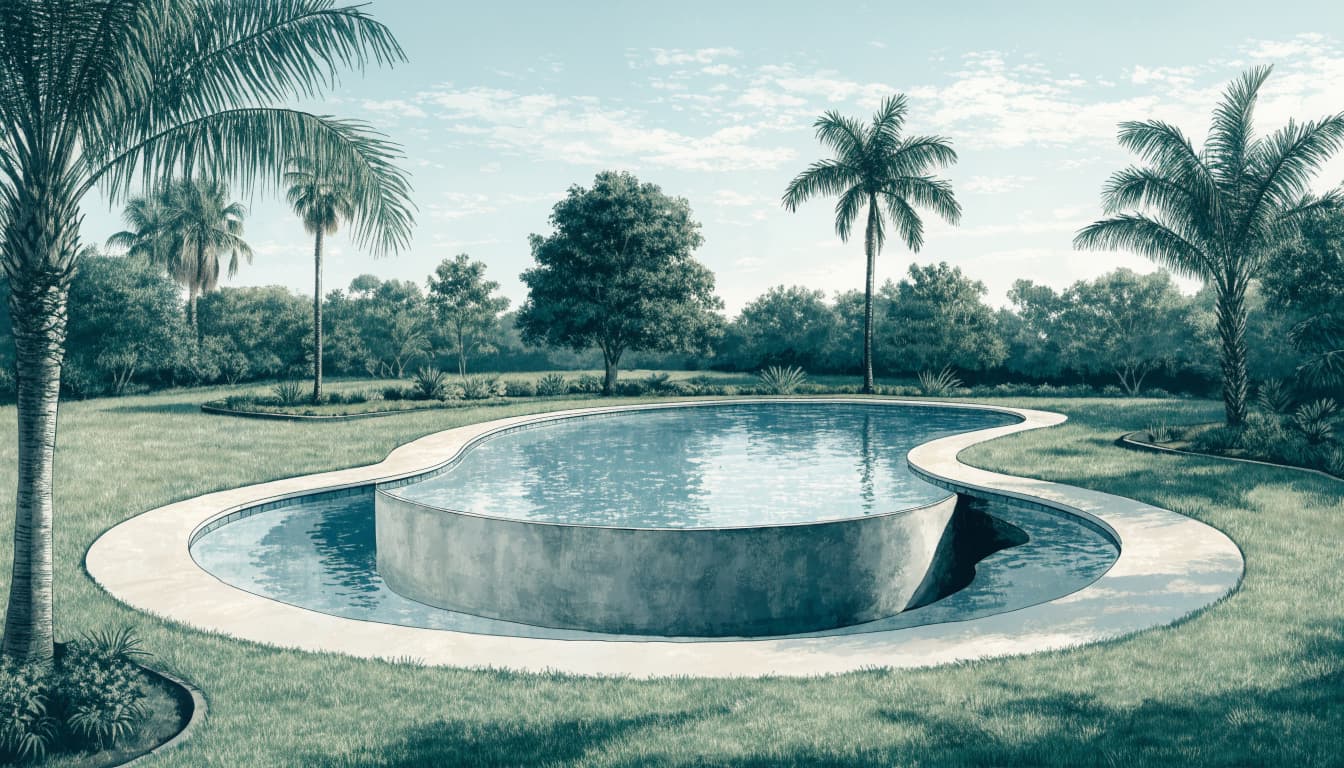
The shell isn't the interior finish
Plaster, exposed aggregate, tile, and other interior materials cover portions of the structural shell. They affect how the pool looks and feels, but they don't replace the concrete thickness called for in the structural design.
That distinction matters when someone describes a wall as "thick." Ask whether the measurement refers to the concrete alone or the finished surface. Tile at the waterline, for example, doesn't make a thin structural wall thicker.
One pool can have several specified dimensions
A floor, curved wall, step, and raised spa wall don't necessarily share one thickness. Plans may also show details at a beam, a deep-end transition, or a feature connection that differ from the main wall section.
Read the dimensions alongside the plan details rather than relying on a single number in a sales conversation. The licensed pool professional or engineer responsible for your project can identify which dimensions apply at each location.
Why Southwest Florida site conditions matter
Two backyards on the same street can call for different pool designs. The shape of the excavation, soil conditions, groundwater, and nearby loads all affect what the engineer must consider.
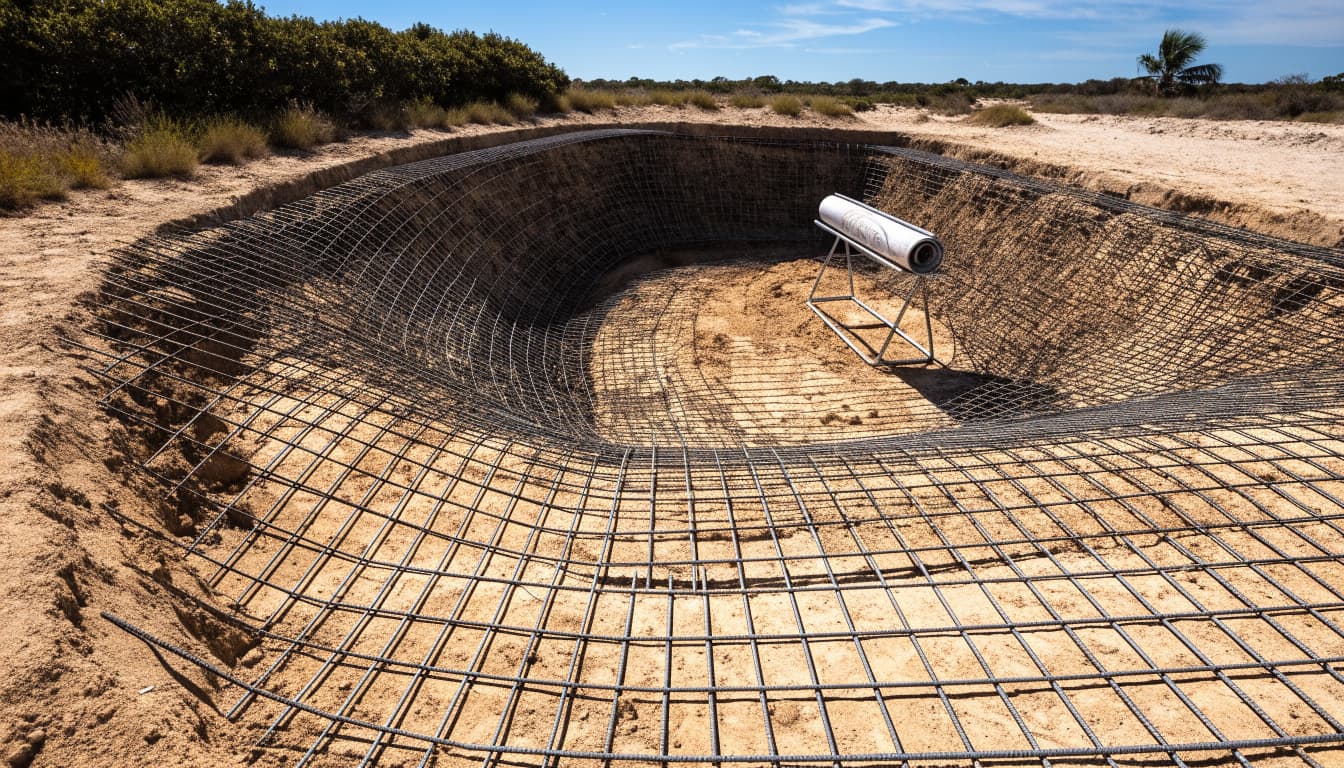
Groundwater and soil change the forces on a pool
Southwest Florida homeowners should ask how groundwater was considered, especially if an excavation encounters water. A full pool and an empty pool can experience different forces. When groundwater is high, an empty shell may face upward pressure that its design needs to address.
Soil conditions also vary. An engineer may need information about bearing conditions, fill, or nearby excavations before settling the structural design. A neighbor's permitted pool isn't a reliable template for your property.
A thicker-looking shell on paper doesn't resolve a groundwater concern unless the overall design addresses the forces at that site.
Shape and added features need their own details
A simple rectangular pool and one with a raised spa, sun shelf, or vanishing edge don't place the same demands on every part of the shell. Height changes and tight curves can require closer attention to reinforcement and connections.
A nearby retaining wall, building foundation, or deck may matter too, depending on the layout. Share those plans early so the designer can assess them together. You can browse Southwest Florida pool and spa projects for design ideas, but your own yard still needs its own approved plans.
Thickness and steel reinforcement work together
Concrete resists compression well, while steel reinforcement helps the structure handle tension. An engineer designs the shell as a system, with specified concrete dimensions, steel placement, and construction details working together.
Steel location matters as much as the count
Adding more steel without following the plans isn't a shortcut to a stronger pool. Reinforcement must be placed where the design calls for it, with the specified spacing and concrete cover around it.
Before gunite application, ask who checks the form and steel layout against the approved drawings. A change in a wall, step, or spa connection may require a corresponding design review. It shouldn't disappear under concrete without a clear decision from the responsible professional.
The installed shell must match the design
A plan dimension describes what needs to be built, not what automatically appears after the crew shoots the concrete. Placement around curves and transitions takes care. The builder must also manage the shotcrete process so the installed shell meets the specified structural details.
Ask how the team checks thickness where it is difficult to judge by sight. Photos taken before and during application can help document the work, but they don't replace required inspections or professional verification. San Juan Custom Pools & Spas' pool building process places engineering and permits before excavation, form and steel work, and concrete application.
What Florida rules and inspections can tell you
Florida building requirements provide a framework for structural design and construction. They don't give every Southwest Florida backyard one universal gunite wall or floor thickness.
Code references aren't a substitute for the plans
The 2023 Florida Building Code, Building volume addresses shotcrete through ACI 318, a structural concrete standard. That reference doesn't mean a homeowner can take one inch figure from an unrelated concrete detail and apply it to an entire pool shell.
For example, a slab-on-ground thickness reference isn't a universal pool-wall requirement. A pool contains curved walls, depth changes, and site-dependent forces that a general slab figure doesn't describe. Confirm the code edition and requirements applicable to your permit with the local building official.
Inspections check work at defined stages
Permit and inspection steps differ by jurisdiction. Lee County's pool guidance points applicants to Florida Building Code requirements, including Residential Code Section R322 where applicable. A City of Fort Myers Beach pool and spa application lists a shell-steel structural inspection and a separate pool-deck structural inspection.
Those examples show why inspection timing matters: reinforcement is much easier to review before concrete covers it. Ask your builder which authority has jurisdiction over your address, what inspections it requires, and who schedules them. Don't assume a process used in Cape Coral automatically applies to a property in Fort Myers, Punta Gorda, or Port Charlotte.
How to compare pool proposals without guessing
A quote that gives one shell thickness but says little about engineering leaves important questions unanswered. Compare proposals against the same design and site information whenever possible.
Ask what the quoted dimensions cover
Request the structural drawings and have the builder walk you through the floor, walls, beam, steps, and any raised features. If the proposal lists a thickness, find out whether it is a minimum structural dimension, where it applies, and how the crew will verify it.
Also ask who is responsible for the engineered design and how proposed changes reach that person. A lower price can reflect a different pool shape, omitted features, or a different construction scope. The inch figure alone won't explain the difference.
Keep finishes and structural work separate
A tile upgrade or new plaster selection changes the finish scope. A raised spa wall or revised pool depth can change the structural scope. Keep those decisions distinct in written proposals and change orders.
If you're comparing a new build with changes to an existing pool, the distinction matters even more. Resurfacing an interior doesn't automatically correct an underlying shell concern. Discuss the existing structure before selecting a cosmetic update. A builder's pool construction and renovation services should make clear whether the work involves the shell, the finish, or both.
What to do when conditions change during construction
Excavation can reveal conditions that weren't obvious when the pool was designed. Water in the hole, unexpected fill, or a conflict with an existing structure deserves a documented review rather than an improvised adjustment on site.
Ask the builder to explain the condition, identify who will assess it, and provide any revised drawing or approval required before affected work continues. The same approach applies if you decide mid-project to alter a step, add a feature, or move a wall.
After the shell is placed, keep copies of approved plans, revisions, and inspection records with your home documents. They'll help you understand what was built if you later renovate the pool or investigate a structural concern.
Key Takeaways
- Gunite pool shell thickness is a project-specific structural dimension , not a universal Florida number.
- Plaster, tile, and other finishes don't count as a substitute for the specified concrete shell.
- Pool geometry, reinforcement, soil, groundwater, and nearby features can change the design.
- Check the approved plans with the licensed pool professional or engineer, and confirm local requirements with the building official.
Frequently Asked Questions
Is there a standard gunite shell thickness for every Florida pool?
No single thickness fits every residential pool. The applicable approved plans should identify the structural dimensions for your design. Ask the responsible licensed professional which details govern the floor, walls, and special features, then verify permit requirements with the local building department.
Can a thicker plaster finish make up for a thinner shell?
No. Interior plaster is a finish, while the gunite shell is structural. If the installed concrete doesn't match the approved design, a thicker finish isn't an assumed fix. The responsible professional should evaluate the condition and determine the appropriate response.
Why might my spa wall differ from my pool wall?
A raised spa wall can face different loads and may have different connections than a wall surrounded by soil. Its height and relationship to the pool also matter. The project's structural details, rather than the main pool-wall dimension, should answer this question.
Should I ask for a thicker shell than the plans show?
Start by asking the engineer or licensed pool professional why the specified design suits your pool and site. More concrete in one area doesn't address every issue, such as steel placement or groundwater forces. Any proposed change should go through the professional responsible for the design.
Build from the approved design
The most useful shell measurement is the one tied to your pool's approved structural details. When a proposal leaves that connection unclear, ask for the drawings and an explanation before work begins.
A well-planned Southwest Florida pool starts with site-specific answers that the builder, responsible design professional, and local building official can verify.