
Gunite Pool Payment Schedule for Florida Homeowners
A gunite pool payment schedule should follow completed construction milestones, not a contractor's need for cash. Florida homeowners need a clear plan because permitting, rain, groundwater, inspections, and several subcontractors can affect the build.
A well-written contract shows what each payment covers, when it is due, and what happens if the scope changes. It also protects your budget by keeping the final payment connected to inspections, cleanup, documentation, and completion.
Why the Payment Schedule Matters in Florida
Building a gunite pool involves more than excavation and concrete. Your project may include engineering, permits, steel reinforcement, plumbing, electrical work, tile, coping, decking, equipment, interior finish, water startup, and possibly a screen enclosure.
Different crews often handle those stages. If the contract requires large payments before the related work is complete, you may carry unnecessary risk if the schedule changes or a subcontractor falls behind.
Your agreement should answer four basic questions:
- What work must be complete before each draw?
- Who confirms that the milestone is complete?
- How will weather, inspections, or delays change the schedule?
- What paperwork must accompany the final payment?
The payment schedule also gives you a practical way to monitor progress. You don't need to become a pool builder. You need to compare the invoice with the work visible at your home.
A payment date should have a job-site reason behind it. "Due two weeks after signing" is less useful than "due after excavation and steel pass inspection."
The exact schedule depends on the contractor, design, financing, materials, and contract terms. Florida law doesn't create one universal draw schedule for every residential pool project.
Build a Gunite Pool Payment Schedule Around Milestones
The construction sequence usually provides the clearest payment structure. San Juan Custom Pools & Spas describes a process that includes design, engineering and permits, excavation, steel, gunite, plumbing and backfill, tile and brick, decking, equipment, electrical work, interior finish, and startup. You can review its pool construction process when comparing a proposal with the expected order of work.
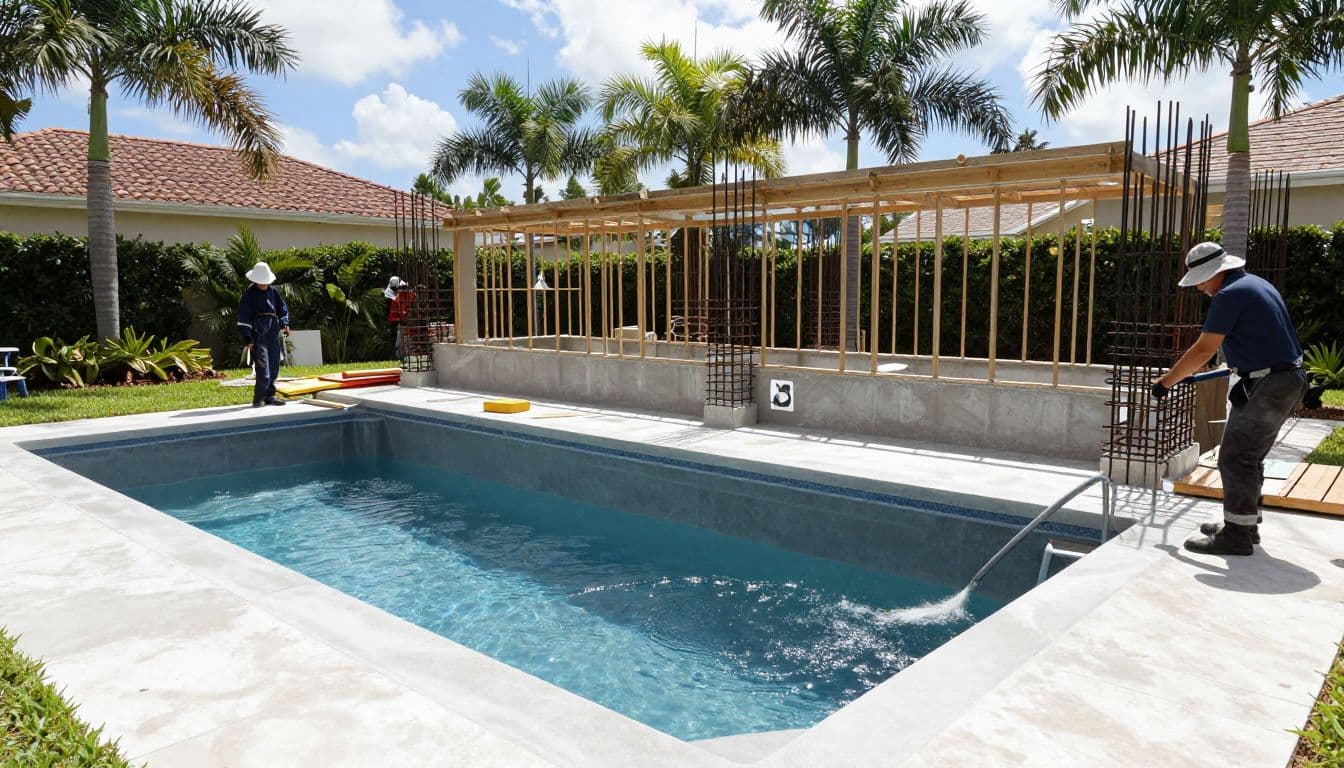
The contract should connect each draw to a measurable event. For example, an excavation payment should not become due because equipment arrived. It should relate to excavation being completed to the approved design, with unsuitable soil or groundwater issues addressed in writing.
Steel and plumbing milestones also need clear definitions. Depending on local requirements, inspections may occur before the shell is shot or before portions of the work are covered. Ask whether your contractor or the building department confirms the inspection before the next payment.
Sample payment framework
The following framework shows how a contract might divide payments. These are planning ranges, not a standard Florida schedule . The percentages should be adjusted so the total equals 100 percent of the signed contract price.
| Construction milestone | Sample range |
|---|---|
| Contract signing, design, and initial mobilization | 5% to 10% |
| Engineering, permit preparation, and pre-construction work | 5% to 10% |
| Excavation and steel reinforcement | 15% to 20% |
| Gunite shell placement | 20% to 25% |
| Plumbing, electrical rough-in, and backfill | 10% to 15% |
| Tile, coping, decking, equipment, and related finishes | 25% to 30% |
| Interior finish, startup, cleanup, and final documents | 5% to 10% |
Some contracts combine several stages. Others separate decking, screen enclosures, equipment, or interior finishes into their own draws. A custom tile order or special equipment package may also have a different payment condition.
The important point is timing. The amount due should match the value of completed work and materials delivered to the property. Your contract should also state whether a payment is due after inspection, after delivery, or after installation.
Florida Conditions Can Change Construction Timing
Southwest Florida construction schedules often depend on conditions outside anyone's control. That doesn't mean a contractor can move payment dates whenever work slows. It means the contract should explain how legitimate delays affect both completion and billing.
Permits and inspections
Permit requirements and inspection procedures vary by city and county. Cape Coral, Fort Myers, and other Lee County communities may have different processes, so your contract should identify who prepares the permit documents, submits them, schedules inspections, and responds to correction notices.
Before paying a construction draw, ask which inspection or approval supports that milestone. Keep copies of permit records, inspection results, approved plans, and any revised documents.
A permit delay usually affects the start of work. It shouldn't automatically justify payment for construction that hasn't begun.
Rain, lightning, and wet conditions
Heavy rain can delay excavation, backfill, concrete work, decking, and interior finishes. Saturated soil may require additional pumping or stabilization. Lightning can also stop outdoor work for safety reasons.
Your agreement should explain whether weather delays extend the completion date and how the contractor handles added costs. If dewatering, soil correction, or drainage work becomes necessary, ask for written details before authorizing the charge.
Don't approve a payment for work that remains incomplete because the original target date has passed. Use the revised schedule and the actual milestone status.
Drainage and groundwater
Many Florida properties have high groundwater or drainage conditions that affect excavation. A pool contractor may need to manage groundwater during construction, protect nearby structures, or adjust the drainage plan.
These issues can create legitimate change orders, but they shouldn't appear as unexplained additions on an invoice. The written change should describe the condition, proposed work, price, and effect on the schedule.
The same concern applies to surrounding improvements. A new pool may require adjustments to grades, swales, downspouts, irrigation, landscaping, or a screen enclosure. Identify those items before signing so you know what the pool contract includes.
Subcontractor coordination
Pool construction can involve gunite crews, plumbers, electricians, paver installers, screen contractors, and equipment technicians. One delayed crew can affect several later stages.
Payments should follow completed work at your property, not a subcontractor's arrival, request, or scheduling preference. Ask who coordinates the trades and whether separate contractors are included in your agreement.
Contract Protections That Belong in the Agreement
A reliable payment plan starts with a detailed scope of work. The contract should identify the pool dimensions, interior finish, equipment, decking, tile, coping, water features, lighting, automation, electrical work, and cleanup obligations.
Allowances deserve close attention. An allowance is a budget amount for an item that hasn't been selected or priced fully. If you choose materials above the allowance, you may owe the difference. Ask how credits work when the final selection costs less.
The agreement should also cover:
- The total contract price and payment amounts.
- The work included and excluded.
- The milestone that triggers each payment.
- The process for approving changes.
- Responsibility for permits and inspections.
- The expected completion window and delay terms.
- Warranty information and startup responsibilities.
- The documents required before final payment.
Change orders need special care. A phone conversation can clarify a design idea, but it shouldn't authorize a price increase by itself. Require a written change order with the added or reduced cost, revised scope, and schedule effect. Sign it before the changed work begins.
Lien releases protect your property
Florida contractors, subcontractors, and suppliers may have lien rights when they provide labor or materials. A lien release helps show that a payment covered the related work and reduces the risk of an unpaid claim affecting your property.
Request appropriate lien documentation during the project, not only after a dispute appears. Depending on the payment stage, that may include conditional releases tied to the current payment and final releases after the account is paid.
Your contractor should also explain how it tracks subcontractor and supplier payments. For a large project, homeowners may ask a construction attorney or title professional to review the release process.
The final draw should close more than the construction work. It should also close out outstanding paperwork, unpaid trade claims, unresolved corrections, and agreed cleanup.
Financing Changes the Cash-Flow Conversation
A pool loan doesn't replace the need for a written draw schedule. It adds another party whose rules may affect when money is available.
Some pool financing programs release funds in stages. Others handle disbursement differently. The lender may require inspections, invoices, contractor documents, or proof of progress before releasing the next amount.
Review the contractor's payment plan with the lender before signing. Confirm whether the lender pays the contractor directly, reimburses you, or uses another process. Also ask when interest begins and whether the loan covers related work such as decking, electrical upgrades, landscaping, or a screen enclosure.
San Juan Custom Pools & Spas provides information about pool financing options, including financing terms for pool projects. Compare the loan's total cost, interest rate, term, fees, prepayment rules, and draw process instead of focusing only on the monthly payment.
Keep a cash reserve for approved changes and excluded work. A loan may cover the contracted pool but not drainage repairs, upgraded finishes, additional decking, or other site needs discovered during construction.
Payment Red Flags to Take Seriously
A payment request deserves a closer look when it has no clear connection to completed work. Watch for these warning signs:
- A large upfront payment that leaves little money for construction.
- Pressure to pay before permits, plans, or the contract are complete.
- A lump-sum invoice that doesn't identify the finished milestone.
- Verbal change orders with no written price or scope.
- Refusal to provide lien releases or subcontractor information.
- Requests for cash, personal payments, or deposits to unrelated accounts.
- A final payment due before inspections, startup, cleanup, or punch-list work.
A deposit can be reasonable when it covers design, engineering, mobilization, or material commitments. The concern is a payment structure that gives the contractor most of the contract price before the expensive work reaches your property.
If a milestone isn't complete, ask for an updated invoice and schedule. Keep communication in writing, then review unresolved issues before authorizing the next draw.
Conclusion
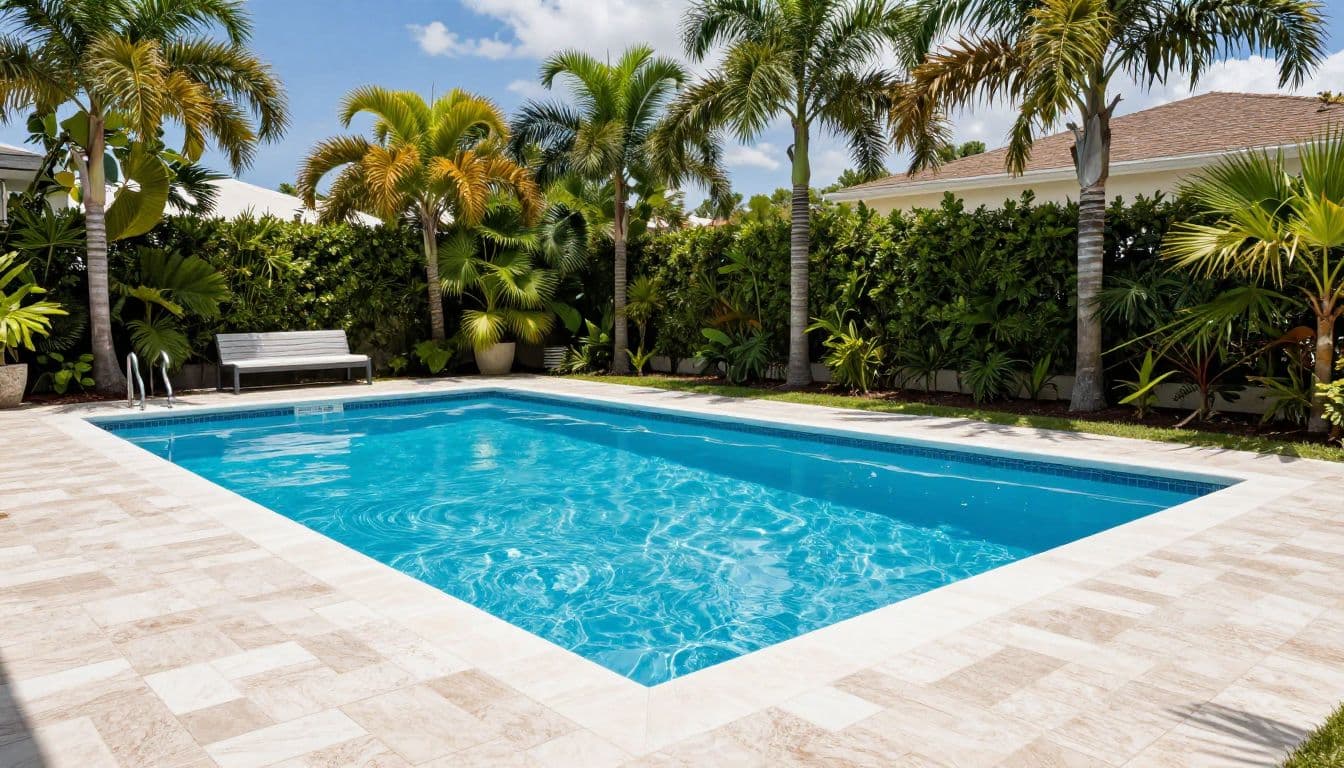
A fair gunite pool payment schedule matches money to measurable progress. It accounts for permits, inspections, weather, groundwater, subcontractors, change orders, and lien releases without treating any percentage split as universal.
Before signing, compare the contract price with the scope, ask what triggers every draw, and confirm how your lender handles disbursements. When the payment plan follows the work, Florida homeowners have a clearer budget and a stronger way to manage the project from excavation through the first swim.