Saltwater vs. Chlorine Pools in Cape Coral Backyards
Choosing a pool sanitation system affects water quality, maintenance, equipment, and long-term costs. For Cape Coral homeowners, the decision often comes down to a saltwater chlorine generator or a traditional chlorine setup.
Both options sanitize pool water with chlorine. The difference is how that chlorine reaches the water. A saltwater system creates chlorine automatically from dissolved salt, while a conventional system relies on products such as tablets, liquid chlorine, or shock.
That distinction matters when Southwest Florida heat, strong sunlight, heavy rain, and year-round pool use enter the picture. Understanding the real differences makes it easier to choose a system that fits your backyard and maintenance preferences.
Key Takeaways
- A saltwater pool still uses chlorine, but its generator produces chlorine from salt.
- Traditional chlorine pools usually cost less to install, while salt systems can reduce routine chemical handling.
- Cape Coral's heat, sunlight, rain, and coastal air affect both systems.
- Saltwater equipment needs compatible materials, regular testing, and eventual cell replacement.
- The right choice depends on your budget, pool size, maintenance habits, and equipment plan.
How Saltwater and Traditional Chlorine Pools Work
A saltwater pool contains a low concentration of salt dissolved in the water. The saltwater chlorine generator, also called a salt cell, passes salty water through an electrically charged component. That process converts salt into chlorine, which sanitizes the pool.
After the chlorine does its job, it changes back into salt. The generator repeats the cycle as the pump circulates water. Pool salt levels are much lower than seawater. Many systems operate near 3,000 parts per million, although the correct range depends on the manufacturer.
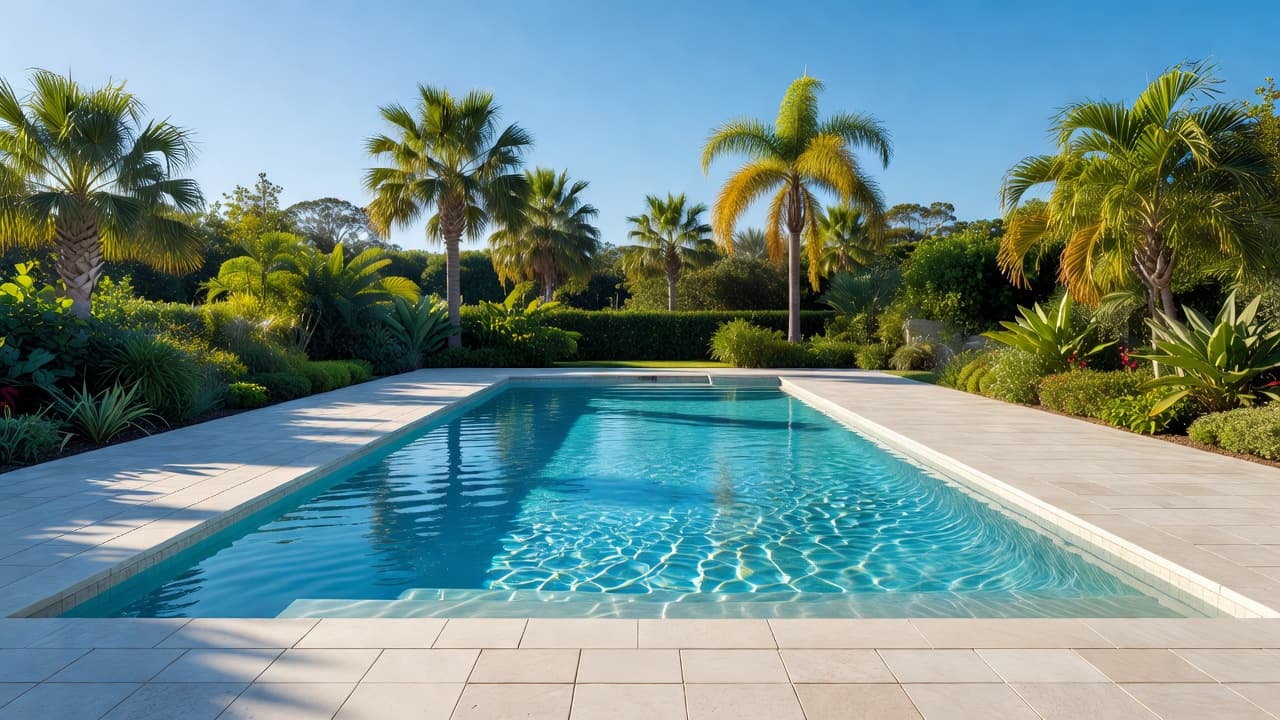
A conventional chlorine pool receives sanitizer from outside products. Homeowners may add chlorine tablets through a floating dispenser or automatic feeder. Others use liquid chlorine, granular chlorine, or shock treatments based on test results and pool conditions.
The key point is simple: saltwater does not mean chlorine-free . Both systems need a measurable chlorine residual to control bacteria and algae. A salt cell produces chlorine gradually, while traditional chlorine lets you add a selected amount when needed.
Chlorine odor also doesn't automatically mean a pool has too much chlorine. A strong smell often comes from chloramines, which form when chlorine reacts with sweat, sunscreen, debris, and other contaminants. Proper circulation, testing, and periodic treatment help control that problem with either system.
A chlorine-free pool is a different category. Equipment such as ultraviolet systems, ozone units, and mineral sanitizers may support water treatment, but they don't automatically replace a chlorine residual. Homeowners considering that approach should discuss the complete sanitation plan with a qualified pool professional.
Cape Coral Weather Changes the Maintenance Routine
Cape Coral's climate affects pool chemistry throughout the year. Intense sunlight breaks down chlorine, while high temperatures increase swimmer activity and chemical demand. A saltwater generator can replace chlorine steadily, but it can't compensate for every weather event or water-quality problem.
Heavy rain creates another challenge. Stormwater can dilute chemicals and introduce organic debris into the pool. After a strong summer storm, you may need to test chlorine, pH, and alkalinity, then adjust the water before swimming. A traditional system gives you direct control because you can add chlorine immediately. A salt system may need a temporary boost setting or supplemental chlorine.
Screened enclosures reduce leaves and insects, but they don't remove maintenance. Sunscreen, body oils, pollen, and dust still enter the water. Both systems need a clean filter, proper pump operation, and regular brushing of the walls, steps, and waterline.
Saltwater systems also require attention to pH. Salt generators tend to push pH upward over time, so many owners keep muriatic acid or another approved acid product on hand. A conventional chlorine system can create different pH patterns depending on the product used. For example, some chlorine tablets lower pH, while certain granular products can raise it.
Cape Coral's coastal setting deserves attention during equipment planning. Salt in the air, pool splash-out, and standing water can affect metal components over time. Saltwater itself isn't highly corrosive at pool concentrations, but poor water balance, leaks, and repeated salt deposits can accelerate damage to unsuitable metals.
A salt system reduces the need to handle chlorine products, but it doesn't remove testing or water balance from your routine.
Comparing Cost, Maintenance, and Pool Equipment
The most practical saltwater vs. chlorine pools comparison includes both the installation budget and the work required after construction. A salt system usually costs more at the beginning because it needs a generator, salt cell, control equipment, and compatible installation. Traditional chlorine equipment often has a lower initial price.
The following comparison shows the usual differences:
| Factor | Saltwater chlorine generator | Traditional chlorine system |
|---|---|---|
| Initial cost | Higher because of generator and cell | Usually lower |
| Chlorine supply | Generator produces chlorine from salt | Owner adds chlorine products |
| Routine chemical handling | Less frequent handling | More frequent handling |
| Water testing | Still required regularly | Still required regularly |
| Main replacement item | Salt cell, often after several years | Feeders, pumps, and other parts as they wear |
| Response to heavy use | May need a boost or added chlorine | Owner can add chlorine quickly |
| Salt-related concerns | Scaling or corrosion if poorly managed | Fewer salt-specific concerns |
Saltwater owners often appreciate the steady chlorine production. The water can feel smoother, and many people notice less of the sharp chemical smell associated with poorly balanced pools. You also won't need to store and carry chlorine tablets as often.
However, saltwater systems aren't maintenance-free. The salt cell needs inspection and cleaning when mineral deposits build up. Its service life varies by brand, water balance, operating hours, and chlorine output. Many cells last several years, but replacement is a normal ownership cost.
Traditional chlorine systems offer flexibility. If a Cape Coral pool receives heavy use during a holiday weekend, you can raise the chlorine level with a measured dose. The tradeoff is more hands-on chemical management, including safe storage and regular replenishment.
Salt can also affect other operating costs. The generator uses electricity, and the pool may need acid to manage rising pH. A traditional pool may use more purchased chlorine, but its equipment is often simpler. Neither system wins every cost category, so compare the full ownership picture rather than focusing only on the first invoice.
Which Pool Sanitation System Fits Your Backyard?
A saltwater chlorine generator may suit homeowners who want a more automated chlorine supply and less frequent chemical handling. It's also a practical option for families who use the pool often and want consistent sanitizer production between testing sessions.
Traditional chlorine may fit better when the initial budget is tight or when you prefer simple, familiar equipment. It also gives you more direct control after storms, parties, or equipment downtime. Owners who already have a reliable testing and dosing routine may see little reason to convert.
Pool size matters. A generator must match the pool's water volume and expected chlorine demand. An undersized cell may run too many hours and still struggle during hot weather or heavy use. An oversized system can cost more than necessary, although some homeowners prefer extra capacity for peak conditions.
Your finish and surrounding materials matter, too. Discuss salt compatibility before selecting natural stone, metal accents, heaters, lighting niches, handrails, and fasteners. Good design accounts for splash-out and drainage around the equipment pad.
When reviewing proposals for a new pool or conversion, ask:
- Which salt generator or chlorine feeder is included?
- What salt level does the selected generator require?
- Which metal and stone materials are recommended around the pool?
- How will the system handle heavy rain and high bather loads?
- What maintenance does the cell or feeder need?
- Which replacement parts are expected over the first several years?
A contractor who handles design, permitting, construction, and equipment selection can coordinate these details before installation. Homeowners planning a new pool can review custom pool design services to see how sanitation equipment fits with the broader project.
New Pool Construction or Saltwater Conversion?
New construction gives you the most flexibility. The builder can size the circulation system, generator or feeder, heater, filter, automation, and plumbing as one coordinated package. That matters because pool features such as spas, waterfalls, sun shelves, and deck jets change water movement and equipment demand.
A new pool also allows the contractor to plan the equipment pad and drainage before concrete, decking, and landscaping are finished. The system should have enough room for service access. Salt cells need removal for inspection, and cramped equipment areas make routine work harder.
Converting an existing pool is possible in many cases. A typical conversion includes testing and balancing the water, installing the generator and controls, checking plumbing and flow, adding the correct pool salt, and confirming that the equipment operates at the required level. The existing pump and filter may work with the new system, but a professional should verify compatibility first.
Before converting, inspect heaters, handrails, light housings, fasteners, and other metal components. The pool's interior finish should also be checked for scaling or damage. A salt generator won't solve circulation problems, leaks, poor filtration, or neglected water balance.
Some homeowners choose automation that monitors chlorine production, pump schedules, and other settings. Automation can reduce daily adjustments, but it still needs occasional testing with a dependable test kit or professional water analysis. Sensors and cells measure different conditions, so don't rely on one display for every chemistry decision.
For examples of regional construction, remodeling, tile work, and water features, browse the Cape Coral pool construction portfolio. A finished pool should look beautiful, but its equipment plan also needs to support reliable use in Southwest Florida weather.
Conclusion
The better choice between saltwater and traditional chlorine pools depends on how you want to manage your backyard. Saltwater systems create chlorine automatically and reduce routine chemical handling, while conventional systems cost less to install and offer direct dosing control.
Both require testing, circulation, filtration, and balanced water. For Cape Coral homeowners, the strongest decision considers climate, pool features, material compatibility, long-term replacement costs, and the amount of maintenance you prefer. A well-designed system will make pool ownership easier, whichever sanitation method you select.