How Long Does Gunite Pool Construction Take in Cape Coral?
A custom gunite pool construction Cape Coral project can take several months, even though some individual construction stages last only a day or two. The full schedule includes design, engineering, permits, inspections, shell curing, finishes, equipment setup, and final startup.
For many homeowners, a realistic planning range is about four to eight months from the start of design to a finished inground swimming pool that is ready for use. Active work at the property may take six to twelve weeks, but crews won't necessarily work every weekday during that period. Weather, inspections, soil conditions, design changes, and material availability can extend the calendar.
The most useful step is to ask your pool builder for a project-specific schedule with estimated dates, dependencies, and likely inspection points.
Key Takeaways
- Building custom gunite pools in Cape Coral often requires four to eight months from the initial design phase through to the final startup.
- Active construction usually takes less time than the total project timeline.
- Gunite placement may take one day, but curing and inspections affect the weeks that follow.
- Rain, groundwater, limited access, custom features, and permit reviews can change the schedule.
- Your builder should provide a written timeline based on your lot, design, selections, and permit status.
A realistic Cape Coral pool construction timeline
Every successful backyard project begins well before excavation equipment arrives. Understanding the pool construction timeline is essential for homeowners in Southwest Florida, as design meetings, site measurements, engineering, permit preparation, and product selections typically occupy several weeks of the process.
After approval, construction moves through several major phases. These phases do not always happen back to back because concrete needs time to cure, inspections must occur, and different crews handle separate parts of the work.
| Project stage | Typical calendar range |
|---|---|
| Design and selections | 2 to 6 weeks |
| Engineering and permit review | 4 to 12 or more weeks |
| Excavation and site preparation | 1 to 3 working days |
| Steel, plumbing, and electrical bonding | 1 to 2 weeks |
| Gunite shell placement | About 1 working day |
| Shell curing and related inspections | About 2 to 4 weeks |
| Tile, coping, decking, and equipment | 2 to 5 weeks |
| Interior finish, filling, and startup | Several days to 2 weeks |
These ranges overlap and vary by builder, lot, pool size, and project complexity. They should be used for planning rather than as a promised completion date.
A basic rectangular pool with standard finishes may move faster than a project involving custom gunite pools. Designs that feature a raised spa, multiple water features, a large sunshelf, specialty tile, extensive decking, or structural changes near an existing seawall require more coordination between trades and may necessitate additional inspections.
The active construction time is also different from the total project timeline. Crews may work on your property for several days, pause while concrete cures, then return for tile or decking installations. A quiet site does not always mean the project has stalled.
What happens during active gunite pool construction?
Design, engineering, and permits
The first phase turns your custom pool design into approved construction documents. Your builder will need accurate measurements, elevations, equipment locations, plumbing plans, electrical details, and structural information to navigate the permitting process effectively.
The lot itself affects this work. A canal-side property, a narrow side yard, an existing screen enclosure, or limited equipment access can require additional planning. Setbacks and easements may also affect the pool's location.
Permit review can take longer when plans need corrections or when agencies request more information. Your builder should tell you when plans were submitted, whether review comments are pending, and which approvals must be completed before excavation begins.
Homeowners can help by making major choices early. Changing the pool shape after engineering, moving equipment after plumbing begins, or switching finishes after ordering materials may create new drawings, added costs, or schedule gaps.
Excavation, steel, plumbing, and gunite
Once the permit and preparation work are complete, excavation and site preparation often move quickly. The crew marks the pool layout, removes soil, shapes the basin, and prepares the site for structural work.
Next, the crew builds the steel-reinforced framework. Plumbers install the circulation lines, drains, returns, suction lines, and other plumbing before the concrete shell is placed. Electrical bonding and conduit work also need to match the approved plan.
Gunite is dry-mix concrete that travels through a hose, with water added at the nozzle. Pool contractors may also use the term shotcrete for pneumatically placed concrete. The gunite application itself commonly takes one working day, although larger or more detailed pools can require additional time.
Gunite placement is a major milestone, but it isn't the finish line. The shell must cure before later work can proceed.
The crew shapes the walls, floor, benches, steps, and other features during placement. Afterward, the builder may direct the homeowner to keep the shell moist for a specified period. Follow those watering instructions closely, because the builder's requirements depend on the concrete system, weather, and project specifications.
Curing, inspections, finishes, and startup
Concrete continues gaining strength after the gunite crew leaves. Many pool schedules reserve roughly two to four weeks for curing, inspections, and preparation for the next phase. The exact period is not universal, so ask your builder what cure time applies to your pool shell.
Inspections are essential to ensure the project remains compliant with local building codes. Depending on the permit and jurisdiction, checkpoints may include steel reinforcement, plumbing, electrical bonding, structural work, and final construction. A failed inspection or a request for corrections can add days or longer.
Once the structure and required approvals are ready, crews install tile and coping. They may then build the surrounding deck, connect pumps and filters, install lights, finish the equipment pad, and complete screen enclosure or drainage work.
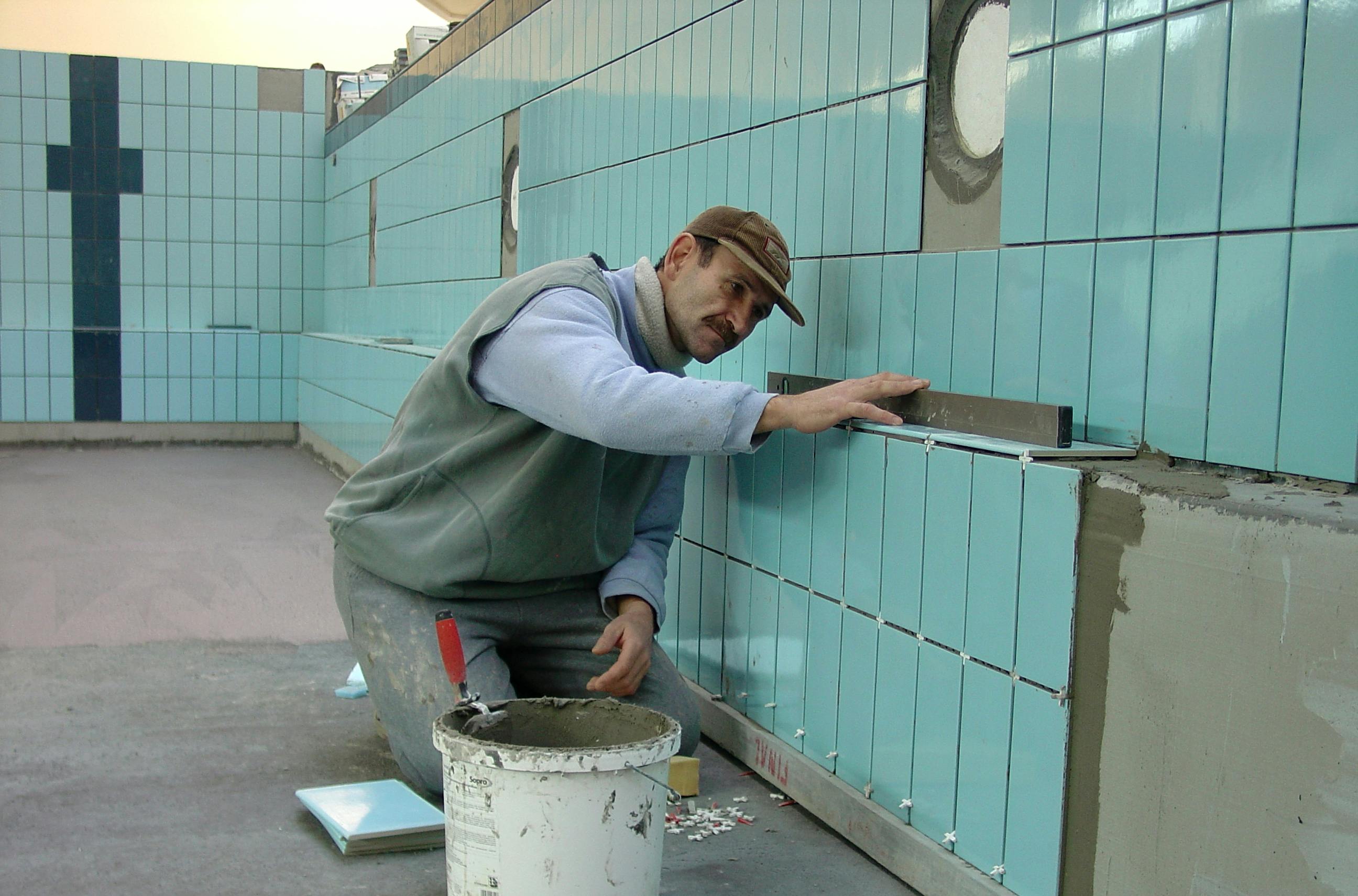
Photo by Roman Biernacki
The interior finish comes near the end. Depending on the selected material, the crew may apply plaster, quartz, pebble, or perform specialized interior resurfacing to complete the aesthetic. The pool is then filled, equipment is started, and the water chemistry is balanced during startup.
Your builder should tell you when the pool is ready for swimming. The final inspection, equipment checks, and startup instructions matter as much as the visible finish work.
Cape Coral conditions that can change the schedule
Southwest Florida weather often impacts several stages of pool construction. In our unique coastal environment, heavy rain can delay excavation, wash soil into an open pool, create muddy access paths, or prevent crews from applying gunite and deck materials. Lightning and frequent summer storms also cause necessary interruptions to outdoor work.
Cape Coral lots feature varied drainage and water table conditions that influence the timeline. Canal-front properties, in particular, may require extra attention during excavation when groundwater enters the work area. Builders must often manage this water before steel or concrete placement. Due to these high groundwater levels, hydrostatic relief valves are frequently necessary to protect the pool structure. Furthermore, adherence to specific waterfront setbacks mandated by Lee County regulations can influence site layout and add time to the planning phase.
Access remains a practical concern during the build. A narrow side yard might require the use of smaller equipment, which increases soil-handling time. Fences, landscaping, existing pavers, and utility lines can also limit how efficiently machinery and materials move across the property.
Design choices affect the schedule as well. A raised spa requires additional structural and finish work, while elements like waterline tile, spillways, deck drains, complex automation, specialty lighting, and large concrete areas add separate, time-intensive installation steps.
Material selections should be finalized early in the process. Tile, coping, interior finishes, and pool equipment components often have varying lead times. If a specific product becomes unavailable, waiting for a replacement can create a bottleneck for the next crew.
Homeowners should also discuss how their builder handles hurricane warnings and severe weather. A professional team will always take time to secure the site, protect construction materials, and postpone labor when conditions make active construction unsafe.
How to keep the project moving
You cannot control every inspection or storm, but your decisions can prevent avoidable delays. Start by finalizing your vision for your outdoor living spaces, including the pool shape, depth, spa details, finish materials, deck layout, lighting, and equipment preferences like advanced automation systems before construction begins. Remember that starting from scratch is a different process than pool renovation and remodeling, which often involve shorter timelines but unique site constraints.
Keep the building area accessible. Move vehicles, outdoor furniture, toys, planters, and stored materials away from the planned work zone. Tell the builder about pets, irrigation lines, landscaping, and any underground features before excavation.
Request a schedule that includes more than a completion month. A useful schedule should identify:
- The expected permit submission and approval status
- Planned excavation and gunite dates
- Inspection points and who schedules them
- The expected curing period
- Tile, coping, decking, and equipment phases
- Interior finish, water chemistry setup for saltwater systems, pool maintenance education, startup, and final inspection
- Items that could change the timeline
Ask how weather delays, change orders, material backorders, and inspection corrections will be communicated. You should also know which decisions have deadlines and what happens if you change a selection after ordering.
A good builder will not promise an exact swim date before the project conditions are known. Instead, the builder should explain the sequence, identify the major variables, and update the schedule when a permit, inspection, or weather event changes the plan.
Why your project-specific schedule matters
Two Cape Coral pools can have very different timelines, even when they appear similar in photos. Unlike prefabricated fiberglass or vinyl pools, custom gunite projects involve a sequence of on-site tasks where lot access, groundwater, pool size, structural features, finish selections, permitting, and deck work all affect the final delivery date.
When comparing builders, ask for a written schedule based on your actual design. Confirm whether the estimate covers only active construction or the full timeline, including permits, curing, inspections, startup, and final approval. These pauses for curing and inspections are vital for maintaining the structural integrity of the shell, ensuring your investment lasts for decades.
That distinction prevents a common misunderstanding. A builder may describe eight weeks of construction activity, while the complete project takes several additional months because design and permitting started earlier and necessary cure periods create planned gaps in the construction process.
Frequently Asked Questions
How does groundwater affect pool construction in Cape Coral?
Cape Coral features high water tables that often require special management during the excavation and shell-building phases. Builders must frequently use dewatering techniques to keep the work area dry, and they will likely install hydrostatic relief valves to ensure the structural integrity of your gunite shell.
Does the pool construction crew work every day?
No, construction is a phased process with planned gaps for essential activities like concrete curing and municipal inspections. Even if you do not see workers on-site for a few days, your project is likely progressing through these necessary waiting periods which ensure the quality of your pool.
Can I change my design after construction starts?
It is highly discouraged, as any changes made after permitting or the start of construction can lead to significant delays and added costs. You may need to submit new plans for re-approval and pause work, which disrupts the schedule and requires coordination across multiple trades.
What should I look for in a project schedule?
A reliable schedule should detail the full timeline from permit submission through to final startup rather than just the active construction days. It must also identify key dependencies, such as required inspections and curing times, so you have a realistic expectation of when each phase will occur.
Conclusion
Building a custom gunite pool in Cape Coral typically takes four to eight months from start to finish, while active work at your property usually occupies six to twelve weeks. The actual placement of gunite is quite rapid when compared to the time required for proper curing, city inspections, interior finishes, equipment installation, and the final startup of your new inground swimming pool.
Various factors, such as heavy rain, groundwater levels, site access limitations, complex custom pool design features, material availability, and municipal permit reviews, can all influence your project schedule. Before signing a contract, ensure you request a project-specific timeline that clearly separates active construction phases from the total calendar time. Having a detailed schedule like this will provide you with a much more accurate and useful expectation than a single, generalized completion date.